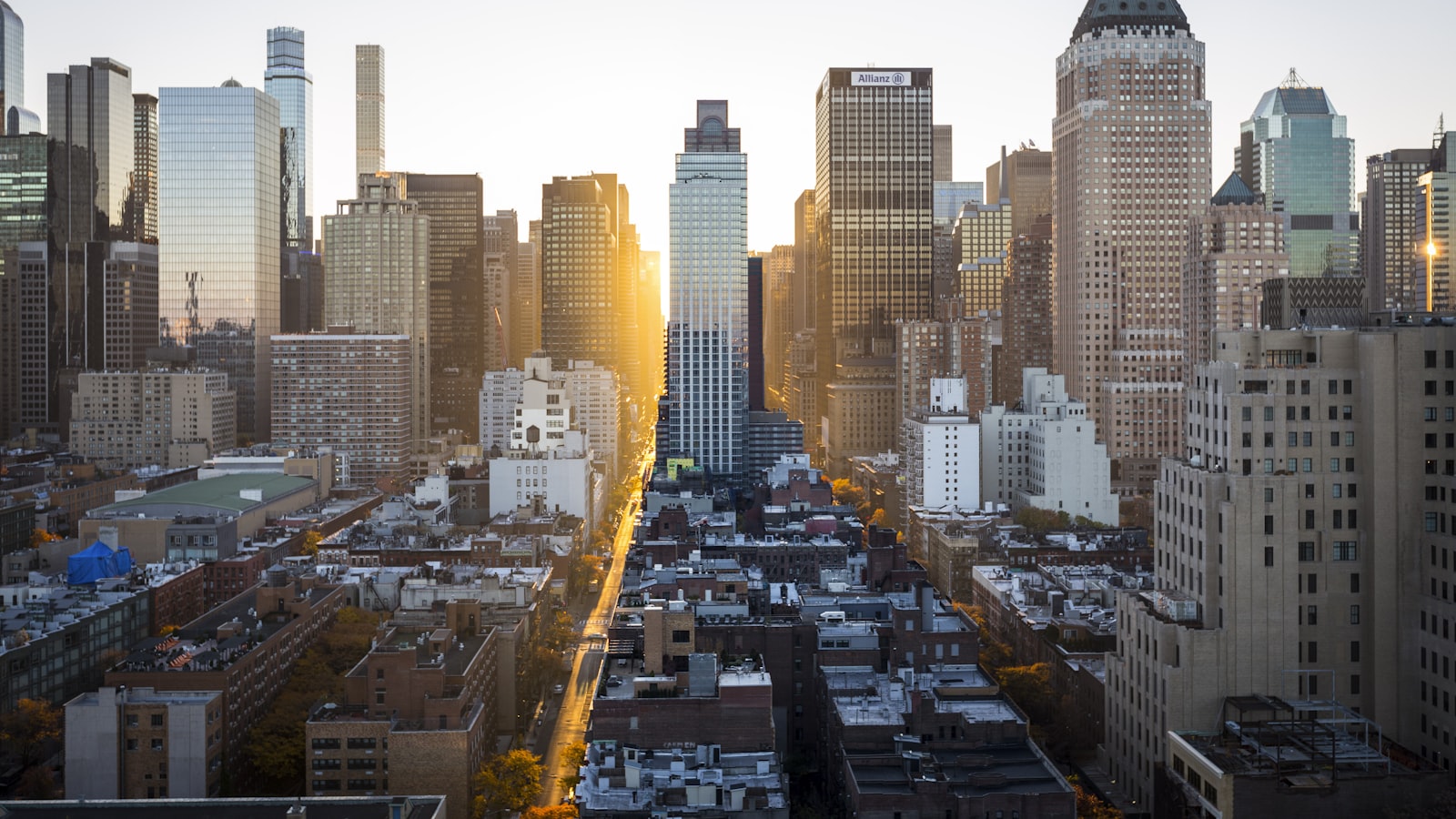
A great sunset has a way of becoming the memory a whole day folds itself around — the moment when a city or a coastline or a quiet hilltop turns briefly golden and everything slows down. Yet finding a truly good spot is rarely luck. With a little understanding of light, geography and local knowledge, you can find an unforgettable view almost anywhere you travel, and arrive in time to actually enjoy it rather than chasing it as it fades.
Understand where the light goes#
The first step is the simplest, and it is one most people forget. The sun sets in the west, so the best sunset spots face roughly west, toward an open horizon where nothing blocks the light as it drops. Before you go anywhere, glance at a map and a compass — your phone has both — and orient yourself. A viewpoint that faces east will give you a lovely glow behind you, but the sun itself will be hidden by whatever stands in the way.
The second ingredient is openness. Light is most dramatic when it has room to travel and something to land on. Height helps enormously, because it lifts you above the clutter of buildings and trees and hands you a clean line where the sky meets the world. A hilltop, a rooftop, an upper terrace, a bridge or a ridge will almost always beat a spot hemmed in at street level. Water helps too, doubling the colour by reflecting the whole sky back at you, which is why coastlines, lakes and rivers so often deliver the views people remember.
Put those two ideas together and you have a reliable formula you can apply in any new place. Look for somewhere that faces west, sits a little higher than its surroundings, and opens onto water or a distant horizon. You do not need a famous overlook. A modest rise at the edge of town, pointed the right way, will frequently outshine the crowded landmark everyone else is queuing for.
Ask the people who watch it every day#
No map beats local knowledge when it comes to sunsets. The people who live somewhere have watched the light fall over it a thousand times, and they know the unmarked bench, the quiet pier, the rooftop bar and the scrap of parkland where the view is best. These spots rarely appear on any list, which is precisely why they stay peaceful while the obvious viewpoints fill with crowds.
So ask, warmly and specifically. A guesthouse host, a café owner, a shopkeeper or a fellow traveller will often light up at the question and point you somewhere wonderful. Frame it kindly — where do they go to watch the sun go down — and you will usually get a far better answer than any search would give. People love sharing the corners of their home that they are proud of, and a sunset spot is one of the easiest gifts to give.
The best view in town is often the one nobody charges for — a free bench, a quiet wall, a patch of grass that locals have loved for years.
When you do follow a tip, go gently and considerately. Many of the loveliest sunset spots are also someone's neighbourhood, their doorstep or their place of quiet at the end of the day. Keep your voice low, take your litter with you, and remember that you are sharing the view, not claiming it. The kindness you carry into a place is part of what keeps these small wonders open and welcoming for the next traveller who asks.
Time it like it matters#
The most common sunset mistake is treating it as a single instant rather than an unfolding event. The light does not simply switch off when the sun touches the horizon. The most beautiful colours — the deep oranges, the soft pinks, the lingering glow — often arrive in the half hour before and the half hour after the sun actually disappears. Show up at the last second and you miss most of the show. A few timing habits help:
- Aim to arrive at least thirty minutes early, both to claim a good spot and to watch the light build.
- Note the day's sunset time, which any weather app will tell you, and work backward from there.
- Stay long after the sun has gone, because the afterglow is frequently the best part of all.
Weather plays its part too, and not always the way you would expect. A flawless cloudless sky can make for a rather plain sunset, while a scattering of high cloud gives the light something to catch and sets the whole sky ablaze. Do not write off a partly cloudy evening; it may hand you the most spectacular show of your trip. Pay attention to the horizon in particular — even a band of clear sky low in the west can let the final rays burst through after a grey day.
Let the moment be enough#
Once you have found your spot and timed it well, the last and most important step is to let yourself actually be there. It is easy to spend a sunset fiddling with a camera, hunting for the perfect frame, and miss the quiet grandeur of the thing itself. Take your photograph, by all means, and then lower the phone, settle in, and simply watch. The colours shifting minute by minute, the way the air cools and the world hushes — none of it lives inside a screen.
Some of the best sunset evenings of your life will come from the least famous places: a kerbside step, a stretch of beach with no name, a rooftop you found by asking a stranger. The spectacle is free, it arrives every single day, and it asks nothing of you but to slow down and look up at the right moment. Learn to read the light, lean on the people who know a place best, give yourself time, and then let the sky do the rest. Wherever you wander, the sun will set somewhere beautiful that evening, and now you know how to be standing in the right place when it does. Go see the world at its golden hour.