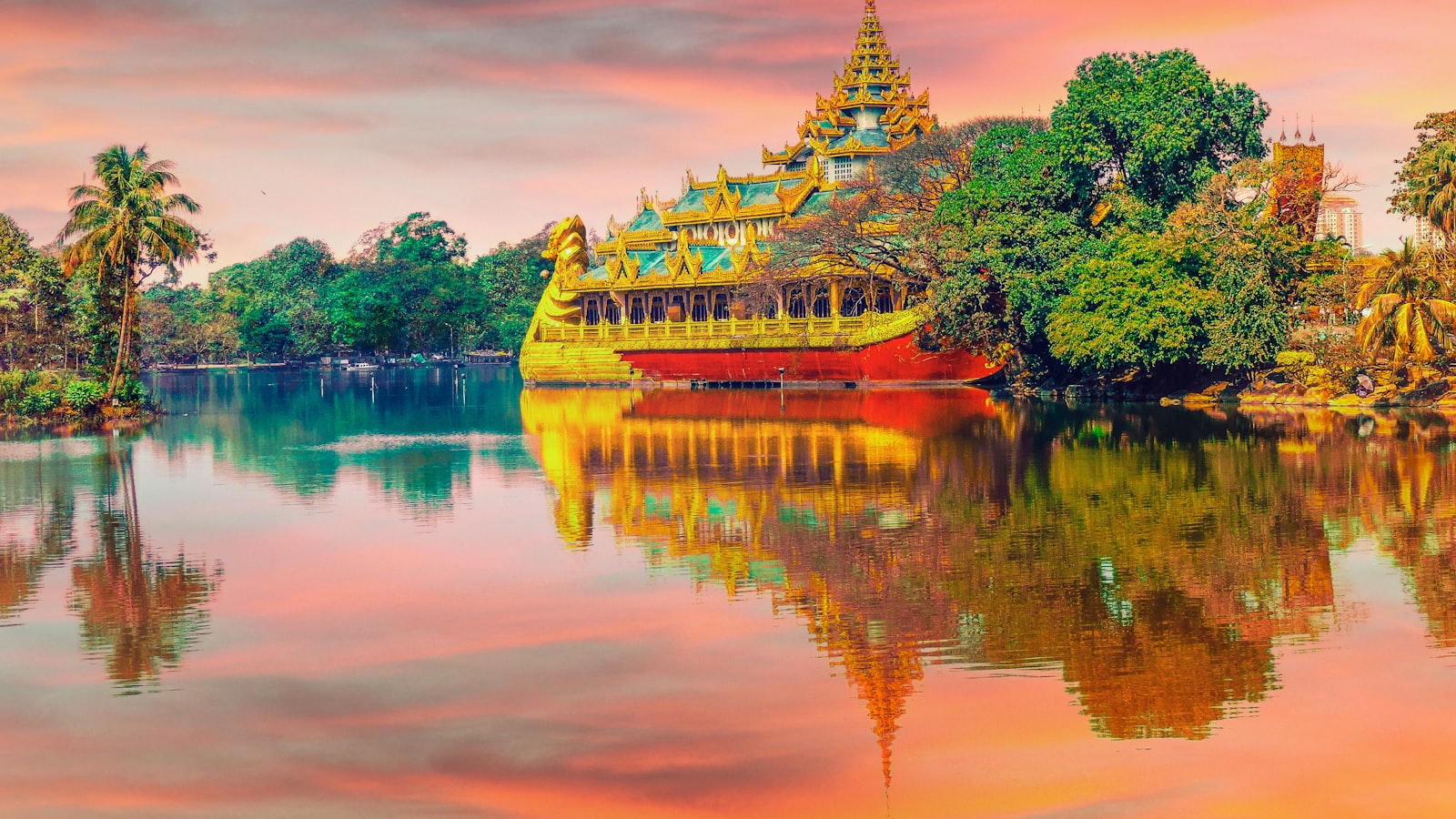
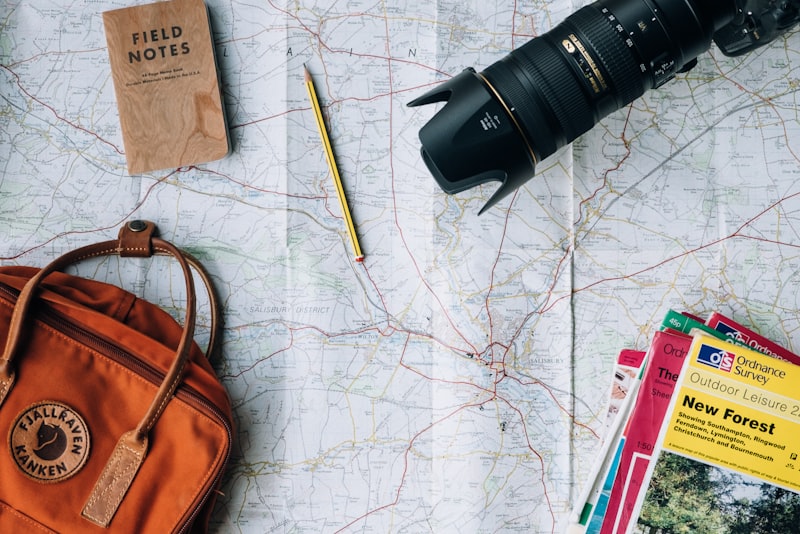
Chasing a beautiful view is one of the oldest impulses in travel, and one of the most rewarding. There's a particular thrill in cresting a hill, rounding a corner, or stepping onto a rooftop and having a whole landscape open up in front of you. Finding those moments — and the photo spots that capture them — is a skill you can learn, and it has as much to do with timing and curiosity as it does with any camera.
Gain height and chase the light#
The two most reliable ingredients of a great view are elevation and good light, and both are within reach of anyone willing to plan a little. Height almost always helps. A hill, a tower, a rooftop bar, a cathedral dome, a cable car, or simply a steep street climbing out of a town will hand you a perspective that ground level never can. When you arrive somewhere new, one of the first questions worth asking is where you can get up high — the answer usually leads to the view that defines the place.
Light matters just as much as vantage, and here timing is everything. The hours just after sunrise and just before sunset, often called the golden hours, bathe everything in a soft, warm, flattering glow that the harsh midday sun simply can't match. The blue hour that follows sunset, when the sky deepens and the lights of a city flicker on, is its own kind of magic. Planning your view around these windows transforms an ordinary scene into a memorable one, and it costs nothing but a little willingness to be up early or out late.
These quiet edges of the day bring a second gift beyond the light: solitude. The famous overlook that's mobbed at noon is often nearly empty at dawn. Arriving early doesn't just reward you with better colour and softer shadows — it gives you the place almost to yourself, with space to breathe, to look properly, and to take your time. The effort of an early start or a patient wait for sunset is repaid many times over.
Ask the people who know it best#
For all that guidebooks and photo apps can point you toward the obvious viewpoints, the most special spots are often the ones locals keep for themselves. The people who live somewhere know where to watch the sun go down, which rooftop has the best outlook, and which quiet bend in a path opens onto something extraordinary. These places rarely appear on any list, and the surest way to find them is simply to ask.
Strike up a conversation with the person running your guesthouse, the barista who made your coffee, or a friendly face at a market, and ask where they go to enjoy the view. People are proud of the beauty around them and usually delighted to share a personal favourite with a curious visitor. The recommendation you get this way will often be somewhere you'd never have found alone, and reaching it tends to come with a story attached.
The most memorable view of your trip is rarely the one everyone photographs. It's the quiet one a local pointed you toward, reached by a path you'd never have found on your own.
It's worth being willing to walk a little, too. The crowded, railed-off viewpoint with the souvenir stand is often just the most convenient angle, not the best one. Wander a few minutes further along the ridge, around the headland, or up the next street, and you'll frequently find a cleaner, quieter, more beautiful version of the same scene — one you have to yourself. The best photo spots reward the small extra effort that most people aren't willing to make.
Compose with patience and curiosity#
Once you've found your view, a handful of simple habits will help you do it justice, whether you're shooting on a proper camera or just a phone. None of this requires technical mastery — it's mostly about slowing down and looking carefully before you press the shutter.
A few ideas worth keeping in mind:
- Look for something in the foreground — a doorway, a branch, a person, a railing — to give the image depth and a sense of scale.
- Wait a moment for the light to shift or a passer-by to step into the right place; patience turns a good scene into a great frame.
- Try the unexpected angle: crouch low, shoot through something, turn around and photograph the view behind you that everyone else is ignoring.
Beyond technique, the real secret is to keep looking once you think you're done. The first shot from the obvious spot is rarely the best one. Move a few steps, change your height, wait for the clouds to part, come back at a different hour. The travellers who come home with photographs that stop people in their tracks are usually the ones who lingered, watched, and let the moment come to them rather than grabbing the first frame and moving on.
Stay present, and tread lightly#
For all the joy of capturing a beautiful view, it's worth remembering not to live the whole experience through a screen. A landscape that takes your breath away deserves to actually take your breath away — to be stood in, felt, and remembered as more than a picture on a phone. Make a habit of lowering the camera once you've got your shot and simply being there for a while. The view will fade from your photos long before it fades from your memory, but only if you let yourself truly see it in the first place.
Safety and respect should anchor all this view-chasing. The perfect photo is never worth real risk, so resist the urge to climb barriers, edge out onto crumbling ledges, or wander somewhere unstable for a better angle — every year people come to harm doing exactly that. Stay behind the railings that are there for a reason, mind your footing near cliffs and water, and keep your wits about you in remote or unfamiliar terrain. A view is only beautiful if you walk away from it.
Tread gently on the places that give you these moments, too. Stay on marked paths, take your litter with you, and don't trample fragile ground or disturb wildlife for a shot. Where a viewpoint sits in someone's neighbourhood, keep your voice down and your presence light, and remember that the picturesque rooftop or alley may be part of a stranger's daily life. The most beautiful views are often the most fragile, and they remain beautiful only because the people who find them leave them as they were. So go and seek them out — climb higher, rise earlier, ask the locals, and walk that little bit further. The world is full of moments that will stop you in your tracks, and they're waiting for anyone willing to go and look. Go see the world.