The best travel photos aren't the ones with the most expensive camera behind them — they're the ones taken by someone who slowed down, looked carefully, and waited for the right moment. You already carry everything you need to take pictures you'll treasure. What turns a snapshot into something better is a handful of habits, and any of us can learn them on the next trip out the door.
Chase the light, not the gear#
If you remember one thing about photography, make it this: light is the whole game. A modest phone camera in beautiful light will outshine the finest professional kit in harsh, flat conditions every single time. Before you think about anything else, learn to see the light you're working with and to put yourself where it's kind.
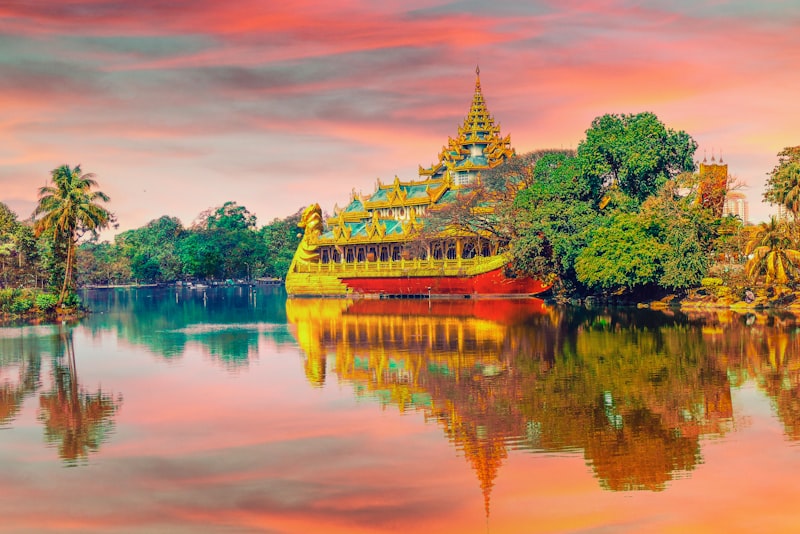
The gentlest, most flattering light comes in the hour or so after sunrise and before sunset — the so-called golden hours, when the sun sits low and the world turns warm and soft. Shadows lengthen, colours deepen, and even an ordinary street takes on a glow. The harsh midday sun, by contrast, casts hard shadows and washes colour out, which is why so many holiday photos taken at noon feel disappointing later. If you can, plan your shooting around the edges of the day and rest or wander in the bright middle.
Notice the direction light is coming from, too. Light falling across your subject from the side reveals texture and shape, giving a photo depth, while light from directly behind you tends to flatten everything out. On overcast days, don't despair — soft cloud acts like a giant diffuser, wrapping faces and scenes in even, gentle light that's wonderful for portraits and detail. There's no bad weather for photography, only different light to work with.
Compose with intention#
Once the light is on your side, the next leap in quality comes from how you arrange what's in the frame. Most weak photos aren't badly lit — they're simply cluttered, with no clear subject and too much competing for attention. Strong composition is mostly about deciding what your photo is about and then removing or downplaying everything else.
Start by giving your subject room and placing it thoughtfully rather than always dead-centre. A useful habit is to imagine the frame divided into thirds, both across and down, and to set your main subject near one of the lines or where they cross. It sounds fussy, but it quickly becomes instinct, and it lends a natural balance that centred shots often lack. Look, too, for lines that lead the eye — a road, a railing, a river, a row of arches — and use them to draw the viewer into the picture.
Before you press the shutter, glance around the whole frame, not just the middle. The edges are where good photos quietly go wrong.
Watch your background as carefully as your subject. A distracting sign, a bright bin, or a stranger walking through can ruin an otherwise lovely shot, and a small step left or right is often all it takes to clear it. Get closer than feels natural; fill the frame and cut the clutter. And don't be afraid to crouch, climb a step, or shoot from the hip — changing your height is one of the simplest ways to make a familiar scene look fresh, because we're so used to seeing the world from standing eye level.
Tell the story of a place#
A folder of postcard shots of famous landmarks rarely captures what a trip actually felt like. The photos you'll cherish years from now are usually the ones that tell a story — the texture of a place, its small details, its ordinary moments. So while you'll naturally photograph the big sights, train yourself to look for the quieter material that the crowds walk straight past.
Photograph the things that make a place itself: a weathered door, a market stall heaped with fruit, steam rising off a bowl of food, peeling paint in a colour you've never seen at home. Capture moments as well as objects — a hand kneading dough, two friends laughing on a step, a child chasing pigeons across a square. These candid fragments hold the spirit of a place far better than another straight-on shot of the monument everyone photographs.
Think in sets, too. A single great image is wonderful, but a handful of pictures — the wide view, a medium shot, a tiny detail — together tell a fuller story of where you were and how it felt. When you flip through them later, that range will carry you back to the place far more vividly than a string of similar wide shots ever could. You're not just collecting sights; you're collecting the feeling of having been somewhere.
Photograph people with respect#
Some of the most powerful travel photos have a person at their heart — a face, a gesture, a glance. But people are not scenery, and the camera carries a responsibility that a beautiful landscape does not. The single most important rule of travel photography is that the dignity of the person in your frame matters more than the picture you want.
When you'd like to photograph someone — a vendor, a craftsperson, anyone whose face is the subject — ask first. A smile and a gesture toward your camera is understood almost everywhere, and the moment of connection it creates often makes for a warmer, truer portrait than a shot grabbed in secret. If the answer is no, accept it gracefully and move on; no image is worth someone's discomfort. Be especially careful around children, private moments, and places of worship or mourning, where the kindest choice is often to lower the camera entirely and simply be present.
There's an artistic reward for this care, not just a moral one. A portrait taken with consent, where the subject meets your lens openly, has a life that a sneaky snapshot never will. Once you've taken it, a quick smile of thanks closes the encounter well, and many of these small exchanges turn into the favourite memory of the day — proof that respect and great photography pull in exactly the same direction.
Put the camera down sometimes#
For all this talk of taking better pictures, the finest thing you can do for your photography is, occasionally, to stop. The traveller who experiences a place fully — who smells the morning bread, hears the rhythm of a language they don't speak, feels the heat of a square at noon — takes better photos than the one watching everything through a screen, because they actually understand what they're looking at and why it moved them.
So shoot with care, then lower the camera and live the moment for its own sake. The pictures you bring home will be better for the seeing you did between them, and you'll have something no photo can hold: the full, unmediated memory of having truly been there. Travel light, look closely, treat the people you meet with kindness, and let the camera serve the experience rather than replace it. Do that, and your photos will quietly improve trip after trip. Now go see the world, and bring back a little of its light with you.