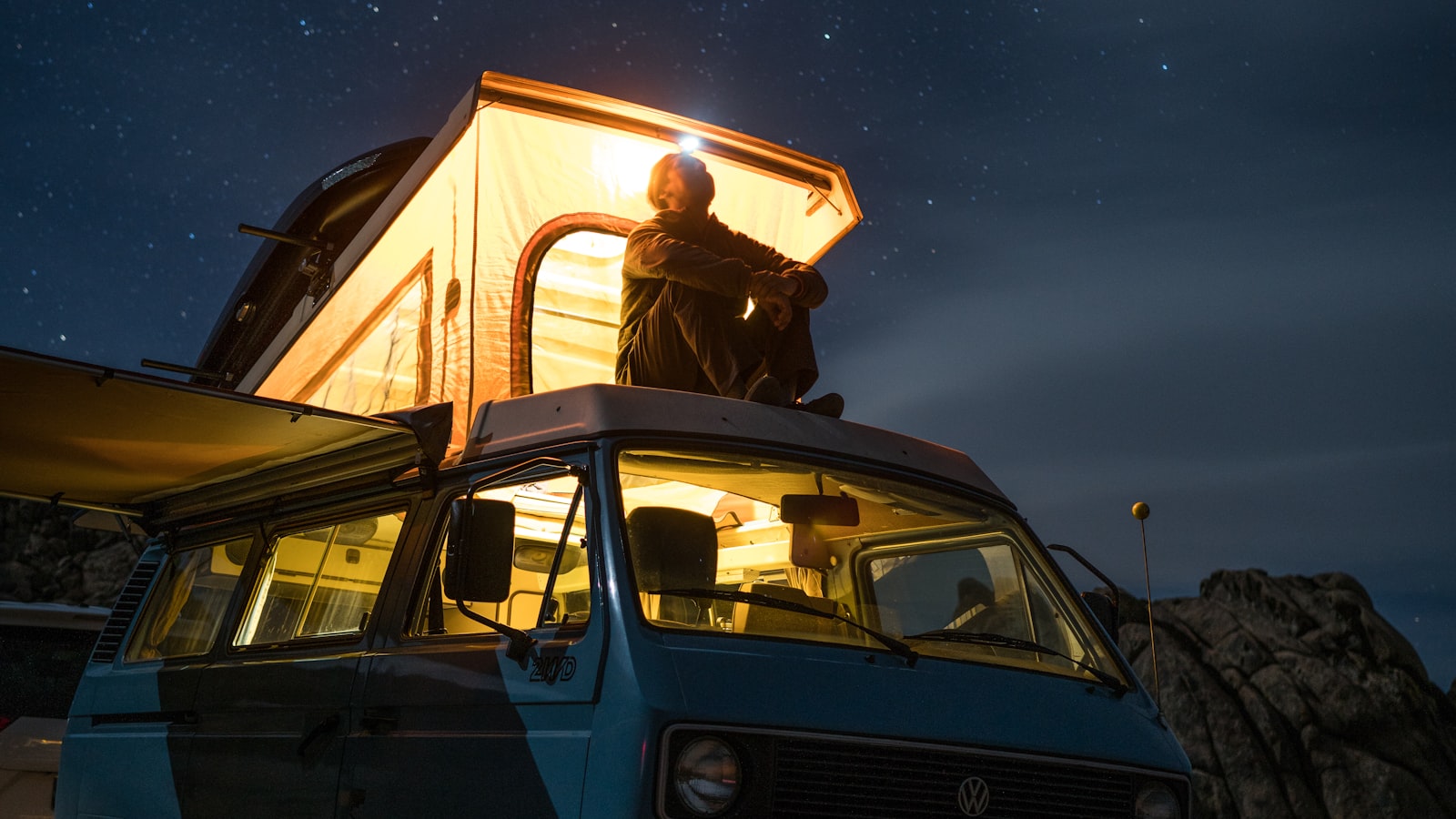
There's a particular joy in standing somewhere wild and untouched, far from traffic and screens, where the only schedule is the light. Keeping those places wild is the quiet responsibility that comes with visiting them. The good news is that treading lightly takes very little effort once you know how, and it makes the experience richer, not poorer.
Leave no trace behind you#
The oldest rule of the outdoors is still the best one: take out everything you bring in. That means all of it — not just the obvious wrappers and bottles, but the small things too, the fruit peels, the tissue, the bits that feel harmless. Nothing you carry in belongs in a wild place, and "it's natural, it'll break down" is a comforting lie. An apple core or orange peel can sit for weeks or longer, and it teaches animals to associate people with food. Pack a small bag for your rubbish and carry it all back out.
This applies to the things people assume nature can absorb. Food scraps draw animals to trails and campsites and change their behaviour for the worse. Soap and toothpaste, even the eco-friendly kind, harm streams and lakes, so keep them well away from water. Human waste needs proper care too — bury it well away from water and paths where there are no facilities, or pack it out where the rules require. None of this is complicated; it just asks you to think a step ahead.
The aim is simple and worth holding in mind: leave a place exactly as you found it, or a little better. If you have room in your bag, carry out a stray piece of litter someone else left behind. It's a small thing, but if every visitor did it, the wild places we love would stay that way. You are one of thousands passing through, and the land survives only because most of those thousands choose to leave it untouched.
Stay on the path#
Trails exist for a reason that's easy to overlook: they concentrate the damage of thousands of feet onto one durable strip, sparing everything around it. Step off, and you start trampling plants, compacting soil, and crushing the small fragile life that takes years to recover. The shortcut across the meadow or the scramble to a better photo spot feels harmless in the moment, but multiplied by every visitor who thinks the same, it carves scars into the landscape that last for decades.
The most beautiful places stay beautiful because people walk where they're meant to. The trail is an act of care, not a restriction.
So stick to the established path, even when it's muddy and a dry detour tempts you — walking around the mud just widens the damage. Where there's no trail, walk on durable surfaces like rock, gravel, or hard ground rather than soft vegetation. Resist the urge to create your own route to a viewpoint; the view is rarely worth the scar you'd leave getting there. The same applies to the things you might pick up. Leave the wildflowers, the interesting stones, the shells, the antlers where they are. They're part of the place, and part of what the next person came to see.
Fragile environments deserve extra care, because they recover slowly if at all. Sand dunes, alpine meadows, desert crusts, coral reefs, and old-growth forest can take a lifetime to heal from careless feet. When you're somewhere delicate, slow right down, follow the marked routes exactly, and treat the ground itself as part of what you came to experience. Moving gently through a place is its own kind of attention, and it usually makes you notice far more than rushing through ever would.
Give wildlife its space#
Seeing wild animals in their own home is one of travel's great gifts, and the way to honour it is to keep your distance. Wild animals are not attractions arranged for our benefit, and the closer we push, the more we disturb the lives they're trying to live. Watch them from far enough away that your presence doesn't change what they're doing. If an animal stops, stares, or moves off because of you, you're too close. Bring binoculars or a zoom lens and let those close the gap instead of your feet.
Feeding wildlife, however tempting and well-meant, does real harm. It makes animals dependent, draws them dangerously toward people and roads, spreads disease, and can wreck their natural diet and behaviour. A fed animal often becomes a problem animal, and problem animals frequently end up dead. The kindest thing you can do for any creature you meet is to let it stay wild — keep your food sealed and out of reach, and resist every urge to offer a snack or coax one closer for a photo.
A few habits keep both you and the wildlife safe:
- Keep all food and scented items sealed and stored away from animals, especially overnight.
- Never approach, corner, or get between an animal and its young.
- Keep noise low so you don't startle wildlife or shatter the quiet for other visitors.
Quiet matters more than people realise. Loud voices and music don't just disturb animals; they rob other visitors of the peace they came for, and that peace is part of the experience. Moving softly through a wild place lets you see far more, because the animals don't flee before you arrive. Stillness and patience are rewarded out here in a way that noise and hurry never are.
Travel light and small#
How you arrive and move through a wild place shapes your impact too. Smaller groups tread more lightly, disturb less wildlife, and leave more room for others to enjoy the quiet — so keep your party modest where you can, and split a large group up on busy trails. Choose established campsites over carving out new ones, and where fires are permitted and safe, keep them small and use existing rings rather than scorching fresh ground. Better still, in dry or fragile country, skip the fire and bring a stove.
Think, too, about the wider footprint of your trip. Sharing rides to a trailhead, choosing local guides who know how to protect the places they love, and respecting any seasonal closures or restrictions all help keep wild areas healthy. Those rules and closures usually exist to protect breeding seasons, recovering ground, or fragile habitats, and following them is simply part of being a good guest in a home that belongs to the wild things first.
Experiencing nature responsibly isn't about loving wild places less or enjoying them timidly. It's about loving them enough to want them to outlast your visit — for the next traveller, and the one after that, and the generations who haven't arrived yet. Carry out what you bring in, walk where you're meant to, give the animals their space, and move through with a light, quiet step. Do that, and you'll find the wild gives more back the gentler you are with it. So go see the world's wild corners, and leave them just as wild as you found them.