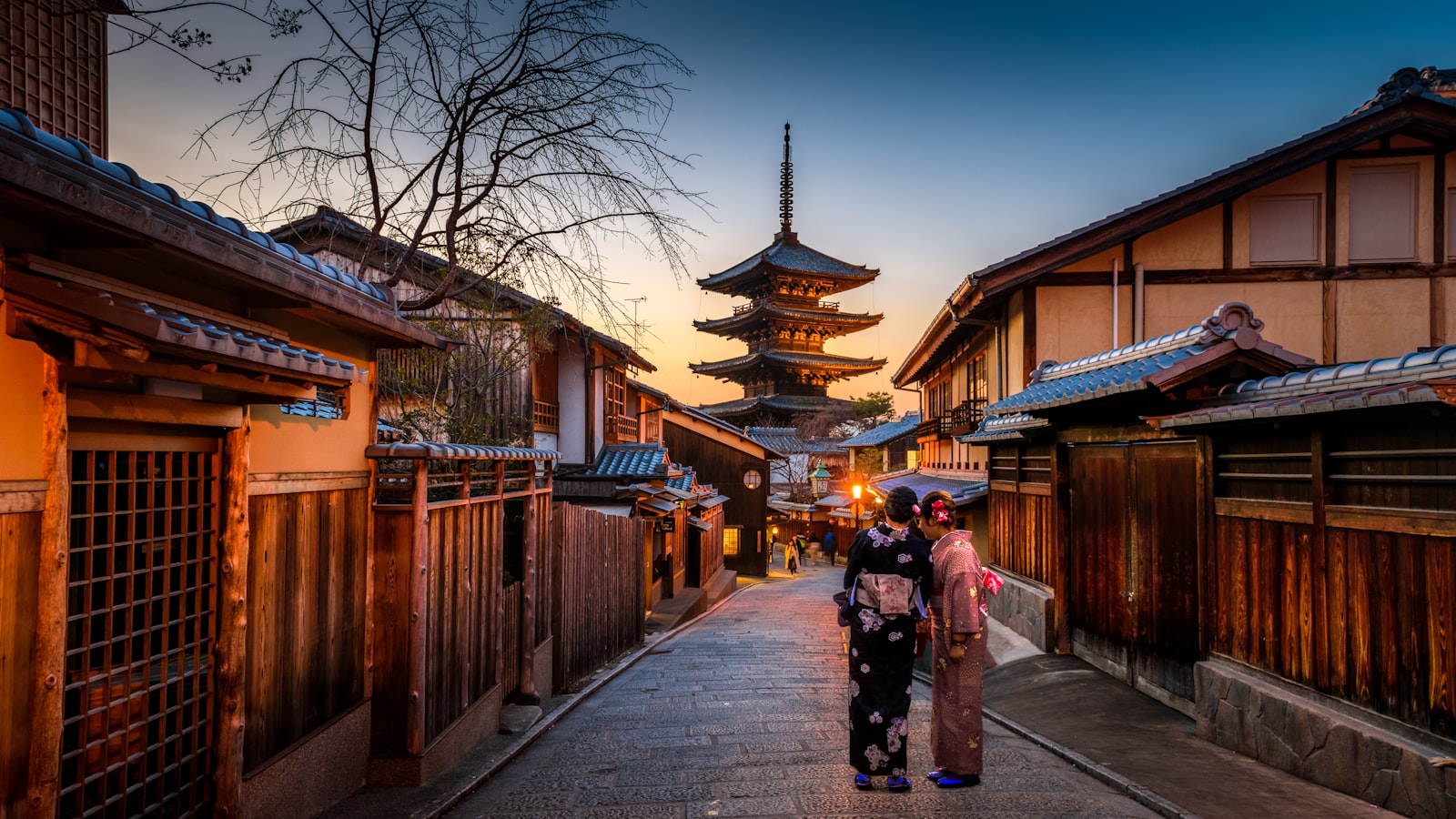
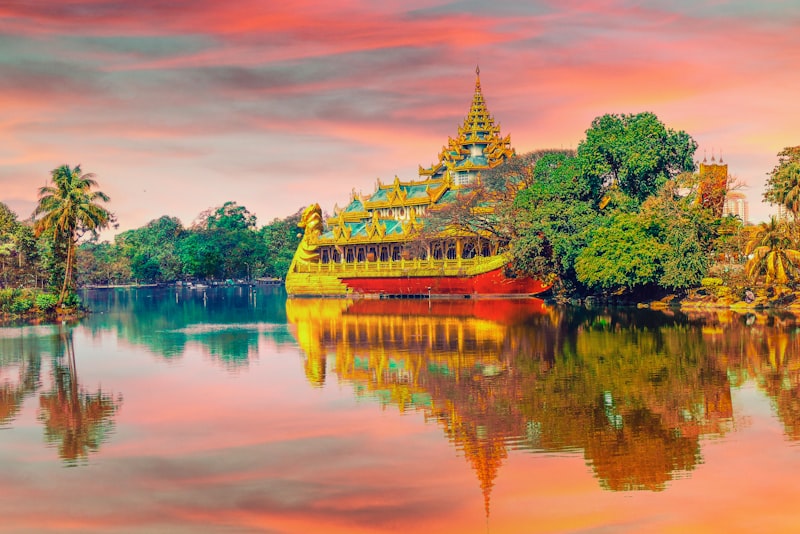
There are few faster ways to fall in love with a place than to be there when it celebrates. A festival is a country at its most alive — its music, food, beliefs and sense of humour all spilling into the streets at once. Joining one as a visitor is a privilege, and with a little preparation and the right spirit, it can become the warm, glowing centre of an entire trip.
Understand what you're stepping into#
Before you throw yourself into the colour and noise, it's worth taking the time to understand what a festival actually is to the people who hold it. Some celebrations are pure exuberance — music, dancing, food, and a city in a good mood. Others are deeply religious or solemn, marking grief, devotion, or a sacred turning of the year, and demand a quieter, more reverent kind of presence. Many are a blend of the two, joyful on the surface but rooted in meaning that isn't obvious to an outsider. Knowing which you're attending changes everything about how to behave.
A little reading beforehand transforms the experience from spectacle into something you can genuinely take part in. When you understand the story behind a procession, the reason for a particular ritual, or the meaning of the colours and offerings around you, what might have been a confusing crowd becomes a moving and legible whole. You stop being a bystander watching something foreign and start being a guest who grasps, at least a little, why it matters. That understanding is also what keeps you from blundering through a sacred moment as though it were entertainment laid on for your benefit.
Practical preparation matters just as much. Festivals draw crowds, fill accommodation, and reshape a city's transport and opening hours, so the logistics need thought well ahead. Find out where and when the key events happen, how you'll get there and back, and what tends to close. Booking somewhere to stay early is wise, since rooms near a major celebration vanish fast and prices rise. A festival is far more enjoyable when you're not scrambling for a bed or a way home.
Join in with warmth and humility#
The heart of experiencing a festival is the willingness to actually take part rather than watch from a safe distance behind your phone. Eat the special foods that appear only at this time of year. Wear what's appropriate, and if there's a customary colour or dress, embrace it. Move with the crowd, learn a phrase of greeting, and accept the small invitations that come your way — a sweet pressed into your hand, a place made for you in a line, a gesture to join a dance. People are usually delighted to share their celebration with a visitor who is genuinely glad to be there.
The key is to follow the locals' lead in everything. Watch how people behave and match them — when they cover their heads, remove their shoes, fall silent, raise their voices in song, or stand back to let something pass, do the same. This simple habit of observation will carry you gracefully through moments no guide could fully explain. It signals respect, keeps you from causing offence, and folds you into the event rather than leaving you stranded outside it.
A festival is a community sharing its joy, its faith, and its identity with you. The best thing you can bring is an open heart and a willingness to follow where it leads.
Hold your curiosity and your humility together. Ask questions when the moment allows, since most people love explaining their traditions to someone who's truly interested. But stay alert to the parts of the celebration that aren't for you to join — rituals reserved for the community, spaces meant for participants rather than spectators, moments of private devotion. Knowing when to step forward and when to step back is the mark of a thoughtful guest.
Be a respectful presence, not just a camera#
Festivals are wonderfully photogenic, and that's precisely where travellers most often go wrong. The temptation to document everything can quietly turn you from a participant into a tourist hunting for content, climbing on things for a better angle, pushing through a crowd for a shot, or pointing a lens at people in moments that deserve privacy. A celebration is not a backdrop, and the people in it are not props.
A few simple courtesies keep your presence kind:
- Ask before photographing individuals, especially in religious or emotional moments, and accept a no without argument.
- Put the camera away entirely during solemn rituals, and simply witness them as the people around you do.
- Never block a procession, a doorway, or someone's view for the sake of a picture.
The deeper principle is to experience far more than you record. The best memories of a festival are rarely the photographs — they're the taste of a food you'll never find at home, the sound of a song carried by a thousand voices, the warmth of a stranger who pulled you into the dance. Spend most of your time present in the moment, and you'll come away with something a camera could never have captured anyway.
Stay safe and soak it all in#
Big celebrations bring big crowds, and a little practical care lets you enjoy them without worry. Keep your valuables secure and minimal, since dense crowds are where pickpockets work. Agree on a meeting point with anyone you're travelling with in case phones fail or you get separated in the crush. Stay aware of crowd movement, keep clear of any crush points, and don't be afraid to step out to a calmer edge to catch your breath. Pace yourself with food, water, and rest, especially if drinking is part of the festivities — the celebrations often run long, and burning out by early evening means missing the best of it.
None of this caution should dim your enjoyment. Sensible awareness is simply what lets you relax into the experience, knowing you've taken care of the basics. With your logistics sorted, your valuables safe, and your understanding of the day in place, you're free to give yourself over to the colour, the music, and the sheer human joy of a place in full celebration.
To experience a festival abroad at its finest, then, is to arrive prepared, behave as a grateful guest, and then let go. Learn what the day means, follow the lead of the people who hold it dear, hold your camera lightly, and pour your attention into the moment itself. Do that, and you won't just have watched a celebration — you'll have been welcomed into one, however briefly, and that is one of the warmest things travel can offer. Go and see the world at its most alive.