Japan has a reputation for being complicated — different alphabets, dense cities, a culture of rules nobody hands you in writing. Then you arrive and find one of the easiest, kindest places a first-timer can travel, as long as you let its quiet order carry you instead of fighting it. This is a guide to doing exactly that.
Plan a route that flows, not a checklist#
The most common first-timer mistake is trying to see all of Japan in one trip. The country is long and varied, and racing the length of it leaves you watching scenery from a train window instead of living in any of it. Resist the urge to cram.
A route that almost always works is to pair a couple of big cities with one slower, smaller stop. Spend a few days in one major metropolis to feel the energy, a few in another with a different character, and then a couple of nights somewhere gentler — an old town, a hot-spring area, a quieter region — to exhale. That rhythm of buzz, buzz, breathe keeps a first trip from blurring into one long rush. If you find yourself wanting to add a fourth or fifth city, cut it. Depth beats distance here, and you'll see far more of the real country by lingering than by sprinting.
Think of each city as a cluster of neighbourhoods rather than a single centre, and explore roughly one area a day on foot. That's the same approach that makes a place like Tokyo feel calm instead of chaotic — our first-timer's guide to Tokyo goes deeper on that one city if it's on your list. Wherever you base yourself, stay near a major train station so the whole country opens up from your doorstep.
Let the trains do the work#
Japan's railways are the quiet miracle that makes the whole trip easy. They're punctual to the minute, spotless, and reach almost everywhere you'd want to go, which means you can largely forget about renting a car or stressing over connections.
For travel within a city, get a rechargeable IC card — a tap-to-pay transit card you load with money — as soon as you land. You tap it on nearly every train, subway and bus, and use it in many shops and vending machines too, which removes the daily hassle of buying tickets. For longer hops between cities, the country's high-speed rail network is fast, frequent and comfortable, and there are various rail passes aimed at visitors that can save money if you're covering serious ground. Whether a pass is worth it depends entirely on your route, so do the simple maths for your own plan, and confirm current pass eligibility, coverage and pricing through official sources, because these change.
In Japan, the journey is rarely the hard part. The trains run like clockwork — your job is just to stand on the right platform, queue where the markings tell you, and let the system carry you.
A map app will handle the routing, telling you which line, platform and exit to use. Give yourself a few extra minutes in the bigger stations, which are genuinely enormous, and keep your voice low on board — quiet carriages are part of the culture, and matching that calm is part of travelling well.
Eat fearlessly#
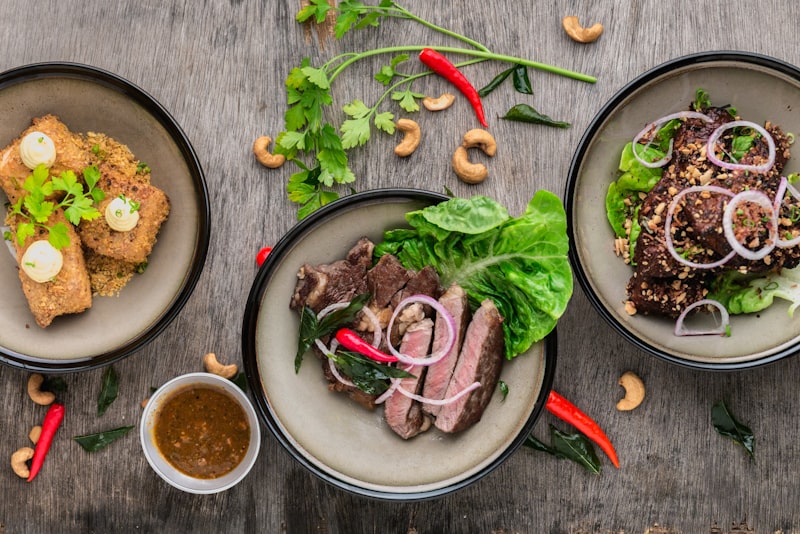
Japan may be the best eating country on earth, and the food is reason enough to go. The good news for a beginner is that you don't need famous restaurants or reservations to eat brilliantly. Some of the finest meals come from tiny counters where one chef has perfected one dish over decades.
A few things that help you eat well without stress:
- Look for small specialist places — a ramen shop, a tempura counter, a soba spot — over sprawling menus that try to do everything.
- Many casual restaurants use ticket machines or picture menus, so you can order by pointing if you can't read the script, and nobody minds.
Convenience stores are not a last resort here; they sell genuinely good, cheap food and are a normal part of daily life. Department-store food halls, standing bars and local markets will all feed you superbly at almost any budget. A little etiquette smooths everything: it's common not to eat while walking in many areas, tipping isn't expected and can confuse people, and a small bow or polite thank-you is always welcome. None of this is a test — people are patient and warm with visitors who are clearly trying.
Read the unspoken rules and pace yourself#
Japan runs on a web of small courtesies that nobody will explain but everybody follows, and slipping into them is one of the real pleasures of being there. Talk quietly on transit, don't block doorways, carry your rubbish until you find a bin because public ones are rare, and watch what locals do on escalators rather than assuming a single rule. Take your shoes off where you see others doing it — at many traditional accommodations, some restaurants, and temples. If you visit an onsen hot spring, you bathe before entering the communal water, and you go in without a swimsuit; it feels unfamiliar at first and is completely ordinary there.
Build in downtime, because the sensory richness adds up fast and first-timers routinely overpack their days. A single temple in the morning, an afternoon drifting through a neighbourhood, an evening at a small bar is plenty. The gaps — when you're just walking, watching and noticing — are where the country gets under your skin.
A few practical notes before you go. Carry some cash, as smaller shops and restaurants still favour it even in a high-tech country. Sort out connectivity with a travel SIM, eSIM or pocket wifi so maps and translation are always at hand. And do the official checks early: confirm whether your nationality needs a visa or entry registration through government sources, and verify current opening hours, tickets and any entry rules for specific temples, gardens or museums directly with their official sources, since seasonal closures and timed entry are common. For a fuller pre-trip routine, our guide on how to research a destination before you go covers the groundwork.
You won't finish Japan on a first visit, and you're not meant to. Treat it as a place to inhabit for a couple of weeks rather than a list to conquer: ride the quiet trains, eat at the small counters, learn the gentle courtesies, and leave yourself room to wander. Do that, and the only real risk is that you'll spend the flight home planning the next trip. Go see Japan — it's far friendlier than it looks.