Tokyo can sound intimidating before you arrive — vast, fast, written in scripts you can't read. Then you land, and the city turns out to be one of the calmest, most orderly places you'll ever travel. The trick to enjoying it isn't conquering it. It's letting its quiet logic carry you.
This is a first-timer's guide, which means less about ticking off famous sights and more about how the city actually works, so you spend your days delighted rather than overwhelmed.
Understand the city as a constellation of neighbourhoods#
Tokyo isn't one centre with suburbs around it. It's a cluster of distinct districts, each built around a major train station, each with its own character. Shibuya buzzes with youth and noise; Shinjuku is a city unto itself; Asakusa keeps an older, templed mood; Yanaka feels like a village that time forgot to modernise. There's no single "downtown" you must see.
Because of this, the smartest way to plan is one neighbourhood per day. Pick an area, explore it slowly on foot, eat there, and let yourself wander the side streets where the chain stores give way to tiny family-run shops. Trying to bounce between six famous spots scattered across the map will leave you on trains all day, seeing platforms instead of places.
For your base, choose somewhere near a major hub on the loop line that circles the central city. Staying close to a big, well-connected station means almost anywhere you'd want to go is a short, direct ride away.
The trains are your best friend#
Tokyo's rail network looks terrifying on a map and is wonderfully simple in practice. Get a rechargeable IC card — a tap-to-pay transit card you load with money — as soon as you arrive, and use it on nearly every train and bus, and even in many shops. It removes the daily friction of buying tickets and makes the whole system feel like one smooth surface.
A few things to know:
- Trains are punctual to the minute and stop running overnight, so check the last departure if you're out late.
- Stations are huge; follow the colour-coded line signs and exit numbers, and give yourself a few extra minutes to find your platform.
Maps apps handle the routing for you, telling you which line, which platform and which exit. Stand on the correct side of the platform, queue where the floor markings tell you to, and keep your voice down on board — the carriages are notably quiet, and matching that calm is part of travelling well here. Verify current fares, passes and routes before you go, as transit options and pricing change.
Tokyo rewards the patient walker. The best things rarely sit on the main avenue — they're down a side lane, up a narrow staircase, behind a noren curtain you almost walked past.
Eating: the real reason to come#
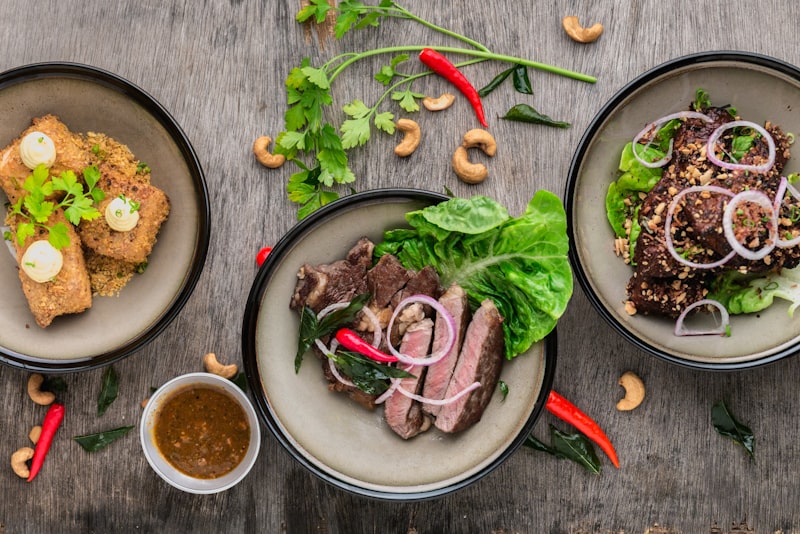
Tokyo may be the best eating city on earth, and you don't need a reservation at a famous place to prove it. Some of the finest meals come from tiny counters with a handful of seats, where one chef has cooked one thing for decades. Ramen shops, tempura counters, sushi spots, standing bars, and the food halls in the basements of department stores will feed you superbly at almost any budget.
Don't over-plan your meals. Walk into the small place with a short menu and a line of locals, point if you can't read the menu, and trust it. Convenience stores, far from being a last resort, sell genuinely good quick food and are a normal part of daily life here. Vending machines on the street will hand you a hot or cold drink at any hour.
A little etiquette helps everything go smoothly: it's customary not to eat while walking in many areas, tipping isn't expected and can even cause confusion, and a small bow or a polite word of thanks is always welcome. None of it is a test. People are generally patient and kind with visitors who are trying.
Pace, courtesy and the unspoken rules#
Tokyo runs on a quiet social contract — keep to the left on escalators in some areas and the right in others (watch what locals do), don't block doorways, talk softly on transit, and carry your rubbish until you find a bin, because public bins are surprisingly rare. None of this is heavy. It's a city that works because millions of people extend each other small daily courtesies, and slipping into that rhythm is one of the genuine pleasures of being here.
Build in downtime. The city is dense and stimulating, and first-timers routinely overpack their days, then burn out. A morning at a single temple, an afternoon drifting through a neighbourhood, an evening at a small bar — that's plenty. The gaps between the sights, when you're just walking and watching, are where Tokyo gets under your skin.
Practical things worth checking#
Cash still matters more than you might expect, even in a high-tech city, so carry some yen for small shops and restaurants alongside your cards. Pocket connectivity makes navigation far easier, so sort out a travel SIM, eSIM or pocket wifi for maps and translation. Free public wifi exists but is patchy.
Check whether your nationality needs a visa or any entry registration, and confirm it through official government sources well before you travel, since requirements change. Likewise, confirm the current opening hours, ticketing and any entry rules for specific temples, gardens or museums directly with their official sources — seasonal closures and timed entry are common.
You won't "finish" Tokyo on a first visit, and that's the point. Treat it as a place to inhabit for a few days rather than a list to complete: ride the quiet trains, eat at the small counters, wander one neighbourhood at a time, and let the city's gentle order do the work. Go see Tokyo this way and you'll leave already planning the return.