Italy has a way of living up to the postcards and then quietly exceeding them. The food really is that good, the light really does fall like that over the rooftops, and the pace really can slow your heartbeat — but only if you let it. The biggest favour you can do yourself on a first trip is to do less, and savour more.
Resist the grand tour#
Almost every first-timer plans the same impossible itinerary: a handful of cities in a week, racing from one to the next. It looks efficient on paper and feels like a blur in person, leaving you with photos of places you barely stood in. Italy is bigger and more varied than it looks, and the joy is in lingering, not ticking boxes.
A far better plan is to pick two or three regions and go deep. The north, the centre and the south each feel like different countries, with their own food, dialects and rhythm, so trying to do all of them in one short trip just means a lot of time in transit. Choose a base or two, settle in, and let day trips bring the surroundings to you rather than dragging your suitcase across the map every other morning. A few unhurried days in one region will teach you more about Italy than a frantic week of five cities ever could.
Within each city, walk. The historic centres are compact, made for feet, and best discovered by getting a little lost down the side streets where the souvenir shops give way to neighbourhood bakeries and quiet squares. If Rome is on your list, our first-timer's guide to Rome digs into walking that particular city well.
Use the trains and keep transit simple#
Getting between Italian cities is genuinely easy, and the train is almost always the smart choice. The high-speed rail network links the major cities comfortably and often faster than flying once you count airport time, dropping you right in the centre rather than out by an airport.
A few things worth knowing as a beginner:
- Book longer high-speed routes a little ahead when you can, since fares often rise closer to departure, and validate any ticket that requires it before boarding.
- Regional trains are slower and cheaper, and perfect for short hops, but they stop everywhere, so check the journey time before assuming the train is quickest.
Within cities, you'll mostly walk, with the odd bus, tram or metro ride. Driving in city centres is more headache than help — many have restricted traffic zones that visitors stumble into and get fined for — so save any rental car for the countryside, where it genuinely earns its keep on coastal roads and through hill towns. Confirm current routes, fares and any pass details through official sources before you rely on them, as these things change.
Italy isn't a country to be conquered in a week. It's one to be tasted slowly — a long lunch, an aimless evening stroll, a piazza watched rather than rushed through.
Eat like you live there#
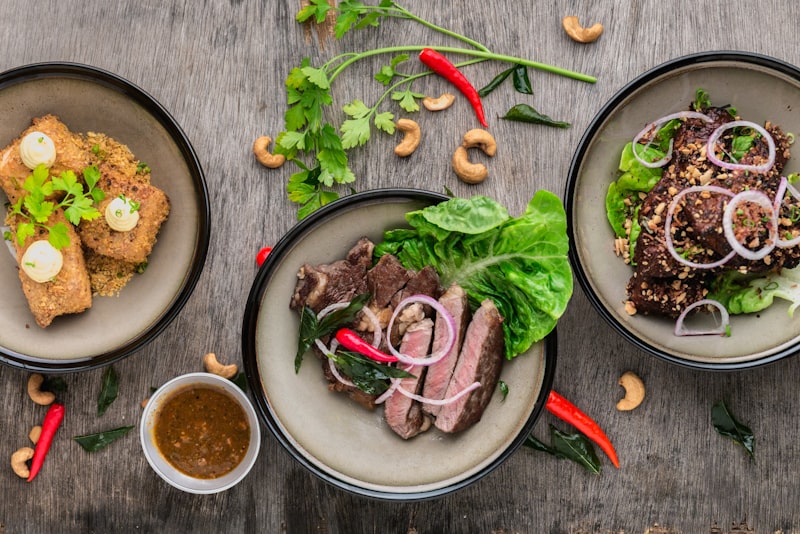
Food in Italy is not a thing you do between sights; it's the main event, and learning to eat the local way transforms the trip. The cooking is gloriously simple and fiercely regional, built on a few excellent ingredients done right, and changing completely as you move from one area to the next.
The single best rule is to eat where locals eat. Step away from the menus posted in several languages right beside the famous monuments, and walk a few streets back to where the tables are full of residents. Look for short menus that change with the season — a sign the kitchen cooks what's fresh rather than what tourists expect. Order the regional speciality of wherever you are, because a dish done in its home region is a different thing entirely. Coffee culture has its rhythms too: a quick espresso standing at the bar is the everyday norm, and certain milky coffees are a morning-only habit, though no one will truly mind if you stray.
Meals run later and longer than many visitors expect, and that pace is part of the pleasure. Don't fight it. A leisurely dinner that unspools over a couple of hours, with no rush to clear your table, is one of the things you came for, even if it takes a day or two to stop checking the time.
Slow down and respect the rhythm#
Italy keeps its own hours, and the sooner you stop resisting them the happier you'll be. Many smaller shops and businesses close in the middle of the day and reopen in the late afternoon, and some places wind down on Sundays or close entirely on certain weekdays. Rather than railing against it, plan around it — a long midday meal and a slower start are very much the point.
Build in real downtime, because the beauty here is the kind you absorb rather than chase. An hour nursing a drink in a piazza, watching the town go about its evening, will stay with you longer than a third museum you rushed through exhausted. First-timers reliably overpack their days; the gaps are where Italy actually happens.
A few practical checks before you travel. Carry some cash for small cafes and shops, even though cards are widely taken. Dress modestly for churches and religious sites, which often require covered shoulders and knees and may turn you away otherwise — easy to plan for once you know. And do the official homework: confirm whether your nationality needs a visa or travel authorisation through government sources, and verify current opening hours, ticketing and any timed-entry rules for major sites directly with their official sources, since closures and booking requirements change. For a wider pre-trip routine, our guide on how to research a destination before you go is a solid starting point.
You won't see all of Italy on a first visit, and chasing that is exactly how people come home tired instead of charmed. Pick a corner or two, walk its streets, eat its food, and let the slow afternoons do their work. The country has been enchanting visitors for centuries by being unhurried, generous and a little stubborn about its own pace — meet it there, and it gives you everything. Go see Italy slowly, and it will quietly ruin you for rushing anywhere ever again.