Rome wears its history out in the open. You'll be walking to a gelato shop and pass a two-thousand-year-old temple wedged casually between apartment buildings, as if the ancient world simply never left. That's the magic of the place — and also the trap, because it's easy to treat Rome as a museum to be processed rather than a living city to be enjoyed.
This guide is for your first visit. It's less a checklist than a way of thinking about Rome so the trip feels rich and unhurried instead of sweaty and frantic.
The historic core is smaller than you think#
The heart of old Rome is remarkably walkable. The famous squares, fountains, the ancient ruins, and the great churches cluster within an area you can cross on foot in well under an hour. This is wonderful news: it means you don't need to plan complex transit routes for the centre. You can wander between landmarks, stumbling into piazzas and side streets that aren't on anyone's itinerary.
Stay central if your budget allows — neighbourhoods around the old core, or just across the river in Trastevere, put you within walking distance of almost everything and let you come back to your room midday when the heat peaks. Cobblestones are everywhere, so bring shoes that can take a beating and a daily pounding.
For the few things that sit further out, Rome has buses, trams and a small metro. They work, though traffic can be heavy, so for the central sights your own two feet are usually faster and far more pleasant.
Ancient sites: plan the big ones, wander the rest#
Rome's blockbuster ancient sites and its most famous museums draw enormous crowds, and the queues can swallow a morning. For these, book timed tickets ahead through official channels and aim for the very first entry slot or the late afternoon. Midday in peak season is when the lines and the sun are both at their worst.
But resist the urge to make the whole trip a march between ticketed monuments. Some of Rome's greatest pleasures are free and unticketed — its grand fountains, its ancient open squares, dozens of breathtaking churches you can simply walk into. Many churches are working places of worship, so a modest dress code (shoulders and knees covered) is expected; carry a light scarf or layer to slip on at the door.
The Rome you'll remember isn't the photo you took of the famous monument. It's the evening you sat by a fountain with a cone of gelato, doing nothing in particular, while the stones around you glowed gold.
Always confirm current opening hours, ticketing and any entry rules with the official source before you go — Rome's sites adjust hours by season, close on certain days, and increasingly use timed entry. A little checking saves a wasted trip across town.
Eating like a Roman#
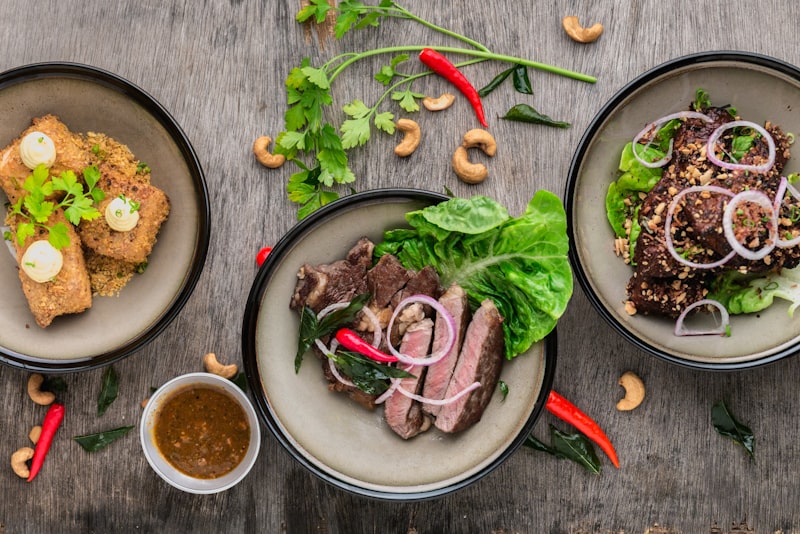
Roman food is gloriously simple — a handful of classic pasta dishes, good bread, seasonal vegetables, a slice of pizza eaten standing up. You do not need a fancy restaurant to eat brilliantly here. You need to walk away from the monuments.
The single best rule in Rome: the closer a restaurant sits to a major sight, and the more its menu is translated into five languages with photos, the worse and more expensive it tends to be. Walk a few streets into a residential pocket and look for the small trattoria with a short, seasonal menu, mostly Italian diners, and no one outside trying to wave you in. That's where the real cooking lives.
A few gentle habits:
- Coffee is usually drunk quickly at the bar, standing; a leisurely cappuccino is more of a morning thing.
- Lunch and dinner run later than in many countries, and many kitchens close in the afternoon, so plan around their rhythm rather than yours.
Don't overthink it. Order a classic Roman pasta, a glass of house wine, maybe an artichoke when they're in season, and eat slowly. Gelato from a shop that makes its own, in natural muted colours rather than neon mounds, is the perfect way to end any walk.
Pacing the heat and the crowds#
Rome can be hot and busy, and trying to do too much will flatten you. The local rhythm offers the solution: go out early when the light is soft and the streets are quiet, retreat indoors or to a shady cafe in the worst of the afternoon, then come alive again in the golden evening when the city is at its most beautiful. Romans aren't lazy in the afternoon — they're being sensible.
Stay hydrated. Rome has free public drinking fountains all over the centre — small spouts of cool, safe water — so carry a refillable bottle and top it up as you go. It's one of the city's quiet kindnesses.
Like any major tourist city, Rome has pickpockets working the crowded transit lines and the busiest sights. Keep your bag zipped and close, stay relaxed but aware in dense crowds, and you'll almost certainly be fine. Confirm whether you need a visa or travel authorisation for your nationality through official government sources well before you travel, since entry requirements change.
The best way to see Rome is to stop trying to see all of it. Let the compact old centre pull you along on foot, save your energy for a couple of great ancient sites and spend the rest of your time simply being there — eating well, sitting in squares, getting lost between fountains. Do that, and Rome stops being a list of monuments and becomes a city you fell a little in love with. Go see it slowly.