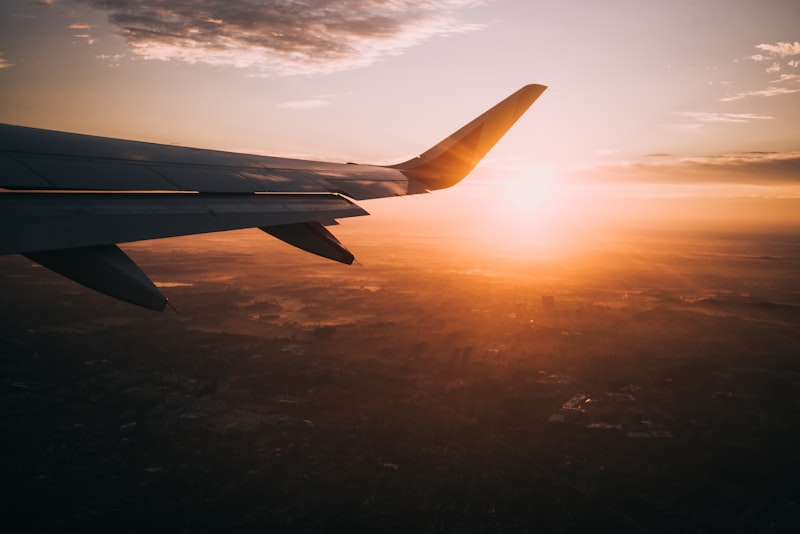
There's a particular kind of freedom in walking off a plane and straight out of the airport while everyone else waits at the baggage carousel. Travelling with carry-on only sounds like a discipline reserved for minimalists, but it's really just a few good decisions made before you zip the bag shut. Once you've done it once, going back to a giant checked suitcase starts to feel like carrying a piano on holiday.
Start with the bag, then a packing list#
Carry-on travel begins with choosing the right bag, because the bag sets the limit that does all the hard work for you. A case or backpack that genuinely meets airline cabin dimensions stops you from over-packing simply by running out of room. Soft-sided bags flex a little and forgive an extra jumper; hard shells protect fragile items better. Either works — what matters is that it fits the size most airlines allow and isn't so heavy when empty that it eats your weight allowance.
Before anything goes in, make a list. Not a vague mental one, an actual written list of every item, grouped by clothes, toiletries, electronics and documents. The act of writing it forces you to justify each thing. If you can't picture a specific moment you'll use it, it probably stays home. This list also becomes your repacking checklist for the trip home, so nothing gets left in a hotel drawer.
The honest truth of light packing is that you'll wear roughly the same handful of things over and over, and nobody on your trip will notice or care. Photos remember places, not outfits.
Build a small wardrobe that mixes and matches#
The biggest space saver isn't a clever folding trick — it's choosing clothes that all work together. Pick a simple colour palette of two or three shades that pair freely, so every top goes with every bottom. Suddenly five or six garments produce a dozen combinations, and you've packed a week's worth of looks in a fraction of the space.
Favour layers over bulk. A few light pieces you can stack adapt to far more weather than one heavy coat, and they pack flatter. Choose fabrics that resist wrinkles and dry overnight, because a quick rinse in a sink turns three shirts into an endless supply. Rolling clothes rather than folding them saves a surprising amount of room and cuts down on creases.
Pack for the trip you'll actually take, not the imaginary one where you need three formal outfits and gear for every possible weather.
Limit yourself to two pairs of shoes at most — the comfortable ones you'll wear all day, and perhaps one smarter or sturdier pair for evenings or trails. Shoes are heavy and bulky, and most travellers pack more than they ever use.
Be smart about toiletries and liquids#
Liquids are where carry-on plans often unravel, because airport security limits the size of containers you can bring through. The fix is to think small and buy local. Decant your essentials into travel-sized bottles that fit within the allowed limits, and bring only what you genuinely need for the first day or two.
Wherever you're going, there's almost certainly a shop selling shampoo, sunscreen and toothpaste. So pack a modest kit and plan to refill at your destination rather than hauling full bottles across the world. Solid versions of soap, shampoo and even some cosmetics sidestep the liquid rules entirely and weigh next to nothing. A short list keeps it manageable:
- Travel-sized versions of only the products you can't easily replace.
- Any prescription medication in its original packaging, in your bag rather than checked.
- A few solid bars to cut down on liquids altogether.
Always check the current liquid and security rules with your airline and airport before you fly, since limits and requirements vary and change over time.
Wear your bulk and plan for the return#
A simple trick doubles your effective space: wear your heaviest, bulkiest items onto the plane. Your boots, your warmest jacket, the chunky jumper — put them on for the flight rather than packing them. Planes are often chilly anyway, so you'll be comfortable, and your bag stays light and roomy. A jacket with big pockets quietly becomes extra carry-on for your phone, charger and a paperback.
Leave a little empty space when you pack to leave home. Almost everyone picks something up along the way — a gift, a souvenir, a market find — and a bag stuffed to bursting on day one has nowhere to put it. If you expect to bring things back, a flat, foldable tote tucked into a corner gives you a small overflow bag for the return journey without committing to a second case the whole trip.
Let the constraint set you free#
It's easy to see carry-on travel as a sacrifice, a list of things you can't bring. In practice, most people find the opposite. With one light bag you move faster through airports, never pay checked-bag fees, never lose luggage to a missed connection, and can hop on a train or into a taxi the moment you land. You stop managing your stuff and start enjoying your trip.
There's a knock-on effect, too. A smaller bag is easier to carry up stairs, lift onto trains and squeeze into tight European hotel rooms, so the cities you visit feel more open to you. You'll think twice before adding to your luggage on the road, which quietly curbs impulse buys you'd never have used. And packing to come home takes minutes rather than an anxious hour of wondering whether it'll all fit. The constraint that seemed limiting on day one turns out to remove dozens of small frictions you didn't even know you were carrying.
The first time you try it, pack your bag, then take a calm second look and remove a quarter of what's inside. You will not miss it. What you'll notice instead is how much lighter the whole experience feels — fewer decisions, fewer things to track, fewer worries. Travelling light is less about the bag and more about the mindset, and that lightness tends to follow you well beyond the airport doors.