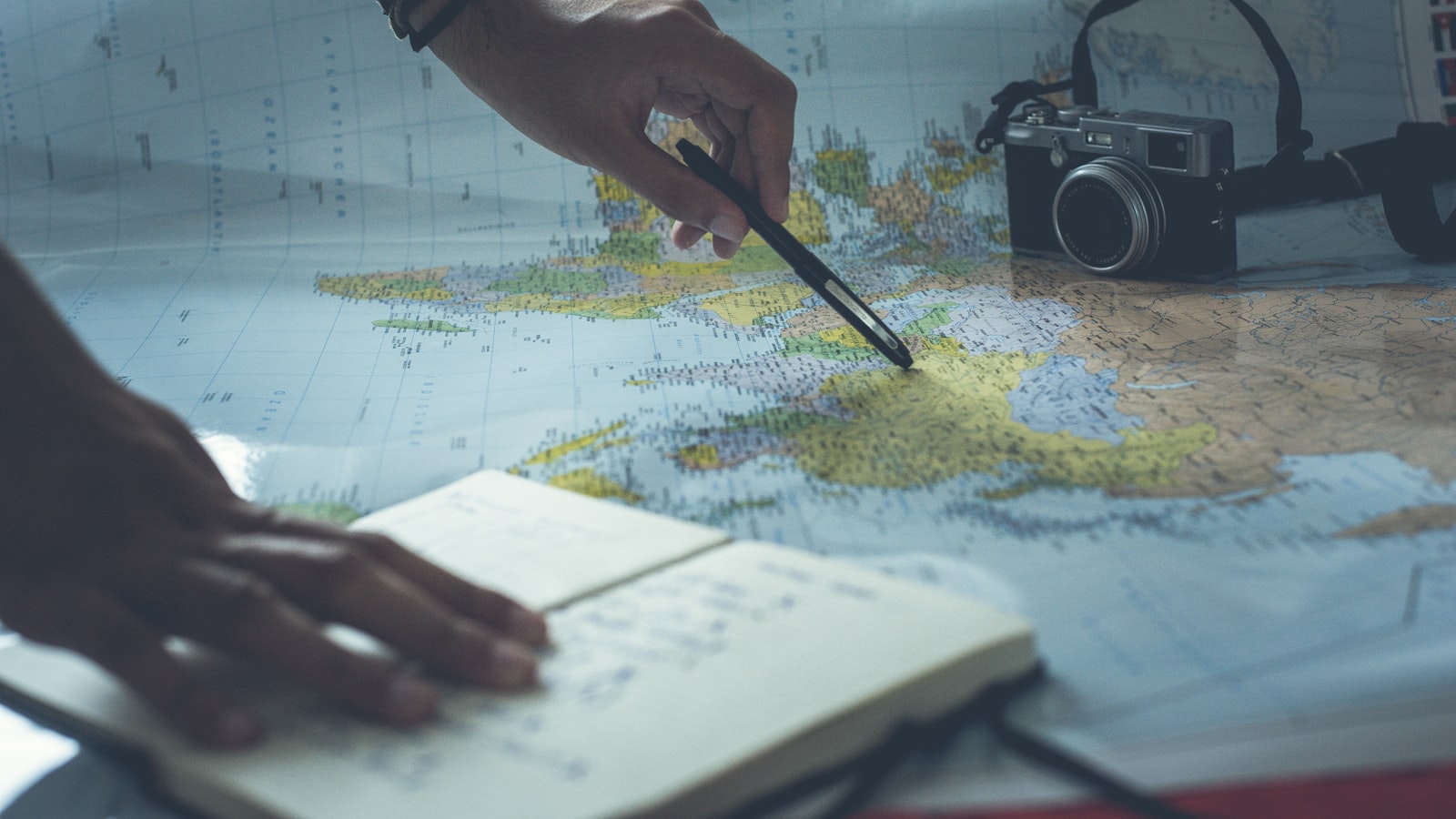
Travelling alone is one of the most rewarding things you can do, and it is far safer than the worried voices around you tend to suggest. The travellers who manage it well aren't braver than everyone else; they simply prepared a little and built a few quiet habits. Here's how to look after yourself on a solo trip without letting caution crowd out the freedom that drew you to it in the first place.
Prepare before you go#
Good solo safety starts at home, well before you reach the airport. The most useful single thing you can do is read the official travel advice for your destination from your own government, which keeps current, practical guidance on specific countries and regions. Treat it as general information rather than a verdict on whether to go, read it calmly, note anything useful, and move on. It's far more reliable than a single alarming story you happened to scroll past online.
Because no one is travelling with you, the back-home safety net matters more than ever. Tell someone you trust where you're going and roughly what your plans are: share your flights, where you'll be staying, and the shape of each day, then agree to check in at set points. A quick message that you've arrived safely costs you nothing and means that if anything ever goes wrong, someone knows where to start looking. It's the solo traveller's version of telling a friend which trail you're hiking.
Sort the unglamorous paperwork too. Make copies of your passport, insurance, and key bookings, store them separately from the originals, and keep a digital copy you can reach offline. Buy travel insurance and actually understand what it covers, including medical care and getting you home if something serious happens. For anything health-related — vaccines, medication, precautions specific to where you're going — speak to a doctor or a travel clinic in good time, because that's advice only a professional should give.
Build safe daily habits#
The real work of solo safety happens in small, repeatable choices once you're on the ground. The first is ordinary awareness. You don't need to be on edge — you just need to look up and notice the street you're on rather than drifting through it face-down in your phone. Get a feel for your surroundings, and trust the quiet instinct that tells you when something feels off. Travelling alone actually sharpens that instinct, because there's no one beside you to dilute it, so learn to listen to it.
Plan your arrivals with extra care, since the first hours in a new place are when you're most disoriented and most visible as a newcomer. Know how you're getting from the airport or station to where you're staying before you land, use trusted or pre-booked transport rather than whoever approaches you, and try to arrive somewhere unfamiliar in daylight when you can. A confident, unhurried arrival sets the tone for everything that follows.
When you travel alone, your instincts are your travelling companion. If a place, a person, or a route feels wrong, you never owe anyone an explanation for simply turning around and leaving.
Look after the basics that keep your judgement clear. Be moderate with alcohol when you're out on your own, since nothing erodes awareness faster, and keep enough in the tank — rest, food, water — that you're thinking straight. Walk like you know where you're going even while you're finding your way, step into a shop or café to check directions rather than standing exposed on a corner, and favour well-lit, busier streets after dark. None of this is fearfulness; it's just the same sensible care you'd take anywhere.
Protect your belongings and stay connected#
Most solo travel trouble isn't dangerous so much as inconvenient — a lost wallet, a snatched phone, a bag set down and forgotten — and when you're alone there's no one to lend you cash or watch your things. That makes a few simple habits especially worth the effort. The core principle is never to keep everything important in one place, so a single loss can't strand you.
- Carry more than one way to pay, stored in separate places
- Keep a backup card and some emergency cash apart from your main wallet
- Use a hidden inner pocket or money belt for what you can't easily replace
- Keep documents and valuables you don't need that day in the hotel safe
Staying reachable is its own form of safety when you're on your own. Sort out how your phone will work abroad before you travel, whether that's a local option or a plan from home, and keep it charged — a power bank earns its place in a solo bag. Know how you'll get online to find directions, translate, or call for help, and download offline maps as a backup for when the signal disappears. Being able to reach someone, and be reached, turns most small crises into minor inconveniences.
Stay alert in the predictable hot spots, too. Crowded markets, packed transport, and popular sights are where opportunistic theft happens simply because they're busy and distracting. Keep bags zipped and in front of you, be wary of anyone who bumps into you or stages a sudden commotion, and don't leave a phone sitting on a café table while you look the other way. It's the same care you'd take in a crowd at home, carried abroad.
Know what to do if something goes wrong#
Even with good preparation, things occasionally go sideways, and the solo traveller's superpower is having a plan ready before they ever need it. Before you go, find the local emergency number for your destination — it isn't the same everywhere — and save it alongside the address and contact details of your country's embassy or consulate. Knowing who to call before you need to call them is half the battle, especially with no one beside you to share the thinking.
If you're a victim of theft, contact the local police and get a report, which you'll usually need for any insurance claim, and contact your embassy if your passport is lost or stolen or you need help navigating an unfamiliar system. In a genuine emergency — a serious injury, an accident, anything that threatens your safety — contact local emergency services straight away rather than trying to manage it alone. That's exactly what those services exist for, and being alone is the strongest reason to use them rather than tough it out.
Keep your reactions proportionate. If someone tries to rob you, your belongings are not worth a fight; hand over what they want, get yourself somewhere safe, and deal with the practical side afterward. The entire point of carrying copies and backups is that losing the originals becomes survivable rather than catastrophic, which is exactly the reassurance a solo traveller needs.
Travelling alone safely comes down to a calm, repeatable routine: prepare before you go, build steady habits while you're there, keep your valuables and your phone working for you, and know who to call if you need help. Do those things and safety fades into the background, leaving room for the quiet confidence that makes solo travel so addictive — the discovery that you can look after yourself anywhere. Prepare well, trust your instincts, and go see the world on your own terms.