Most people travel when everyone else does, which is exactly why those weeks cost the most and feel the most crowded. The off-season is the quiet rebellion against that habit — the choice to visit a place when the tour groups have gone home, the prices have softened, and the famous square is suddenly something close to peaceful. It isn't the right call for every trip, but for budget-minded travellers willing to weigh a few trade-offs, it can be the best decision on the whole itinerary.
Understand what the off-season actually gives you#
The off-season is simply the stretch of the year when a destination is least popular, and that unpopularity is precisely where its gifts come from. When demand drops, so does price — flights, accommodation, and tours all tend to soften when fewer people are competing for them. The same trip that strains your budget in peak weeks can become comfortably affordable a month or two on either side, and that saving is real money you can redirect toward staying longer or doing more.
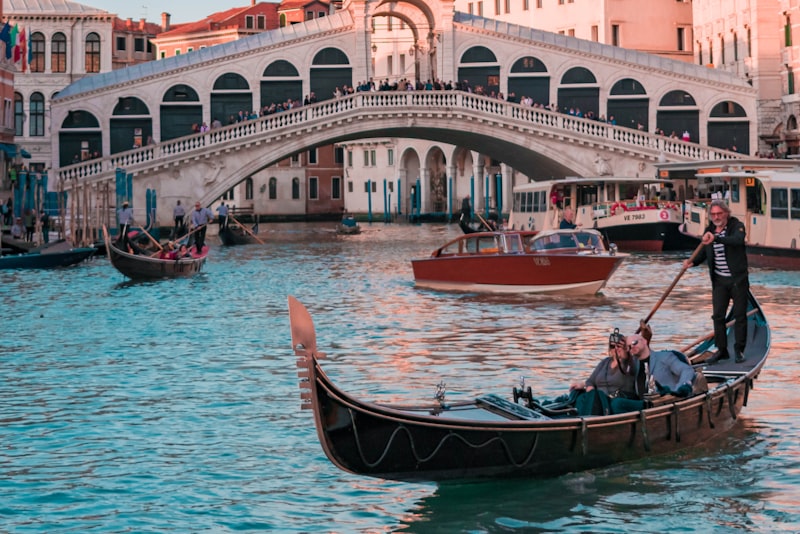
Then there are the crowds, or rather their absence. Travelling off-season can transform the experience of a place, not just its cost. The landmark you'd have queued an hour for is walk-straight-in. The viewpoint everyone photographs is yours alone for a while. Restaurants have tables, locals have time to talk, and the whole place breathes at a human pace instead of a tourist stampede. For many destinations, the quiet version is simply the better version — the one that feels like a place rather than an attraction.
A famous city in its off-season can show you a truer face than it ever does in peak weeks. Without the crowds, you're seeing the place itself, not the machine built to handle the crowds.
There's a softer benefit too: travelling off-season is often kinder to the places you visit. Spreading tourism into the quieter months eases the pressure that peak crowds put on popular destinations and the people who live there. You get a calmer, cheaper trip, and the place gets a breather from the high-season crush — a rare arrangement where the budget choice and the considerate choice happen to be the same one.
Don't overlook the shoulder season#
Between the packed peak and the dead-quiet off-season sits a sweet spot worth knowing by name: the shoulder season. These are the weeks just before and just after a destination's busiest period — the edges of the high season, when prices have eased and crowds have thinned but the weather and the opening hours haven't fully turned. For a great many places, the shoulder season is the smartest time to visit, full stop.
The appeal is balance. Deep off-season can bring genuinely difficult weather or widespread closures, while peak brings cost and crowds. The shoulder season often threads between them — you get much of the off-season's value and calm while keeping most of the peak season's reliability and access. It's the compromise that frequently turns out not to feel like a compromise at all, just a better-timed version of the same trip.
Because every destination's calendar is different, the only way to find the shoulder weeks is to look up the specific place. Find out when its high season runs, then look at the weeks immediately bracketing it. A quick check of typical seasonal weather and a glance at when local prices and crowds tend to rise and fall will point you to the window where value and experience overlap. That research takes minutes and routinely shapes the entire feel and cost of a trip.
Plan around the real trade-offs#
Off-season travel is not a free lunch, and pretending otherwise leads to disappointment. The reason a season is quiet is usually that something about it is less ideal, and an honest planner faces that head-on rather than discovering it on arrival. The trade-offs are manageable, but only if you know them before you book.
Weather is the big one. The off-season is often the cold, wet, stormy, or punishingly hot stretch of the year, depending on the place, and that can genuinely shape what you're able to do. The other major trade-off is closures: in quieter months, some hotels, restaurants, attractions, tours, and even transport routes reduce their hours or shut entirely, especially in seasonal beach and mountain spots. Arriving to find your main reason for visiting closed for the season is a deflating, avoidable mistake.
A little homework neutralises most of this:
- Check what the weather is typically like in your chosen month, not just the annual average
- Confirm that the specific sights and activities you care about are open in the off-season
- Look into whether transport and tours still run on your dates or thin out
- Pack for the actual conditions, so bad weather is an inconvenience, not a trip-ender
The aim isn't to scare you off — it's to make sure the off-season you choose is the genuinely worthwhile kind, not the bleak, closed-up kind. Some destinations are wonderful in their low season and others are bleak; the difference is entirely findable in advance with a few targeted checks against your specific dates and places.
Decide whether the quiet is worth it for you#
In the end, the off-season is a trade you either want or you don't, and that depends on what you're after. If your priority is sunbathing on a reliably hot beach or seeing a place at its scenic peak, the off-season may cost you the very thing you came for, and paying peak prices is the honest move. But if you value lower costs, thin crowds, a calmer pace, and seeing a place more like a local than a tourist — and you're willing to pack a coat and check a few opening hours — the off-season is often a genuinely better trip for less money.
Frame the decision around your own non-negotiables. Ask what would actually ruin the trip for you, then check whether the off-season threatens it. If the answer is no, you've likely found a way to travel more, longer, or somewhere grander than your peak-season budget would allow — which is exactly the kind of leverage a budget traveller dreams of. The off-season isn't a lesser way to see the world. For the prepared traveller, it's frequently the richer one, and it just happens to cost less. Check the trade-offs, pick your window, and go enjoy the quiet.