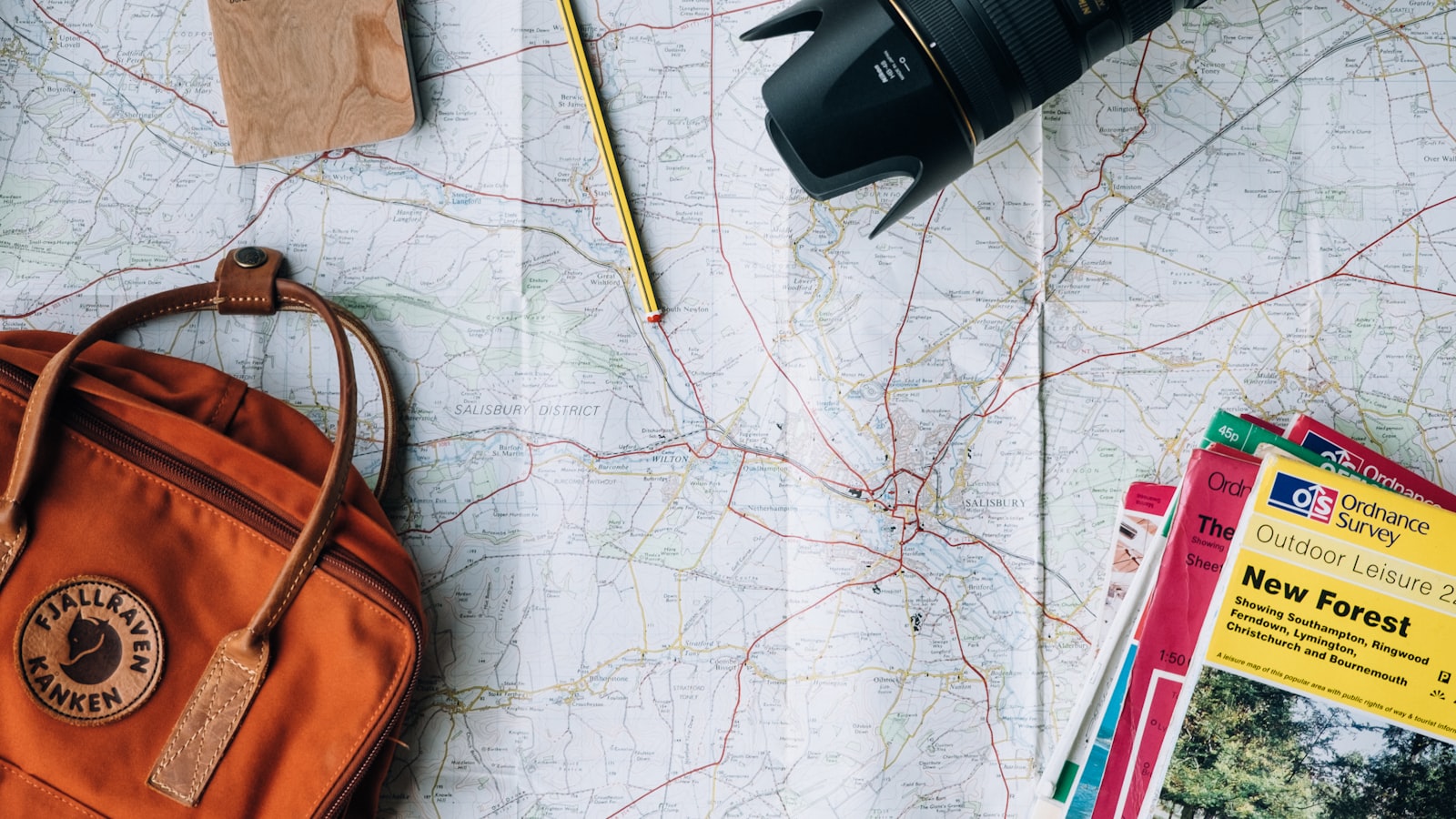
Trying to get real work done while you're travelling can feel like juggling on a moving train. The new surroundings that make a trip exciting are the same ones that scatter your focus, and without a plan you can end up neither truly working nor truly exploring. The fix isn't more discipline — it's a few simple structures that let you do both well.
Get clear on what actually needs doing#
Productivity on the road starts with honesty about what really matters, because the biggest mistake is trying to keep your normal full workload while also being somewhere new. Something has to give, and if you don't choose what, the trip will choose for you, usually badly. So before you go, sort your tasks into what genuinely must happen and what can wait until you're home.
Be ruthless about that list. A handful of true priorities — a deadline you can't move, a meeting you must attend, a project that can't pause — deserve protected time and your real attention. Everything else can often slide, batch up, or wait, and pretending otherwise just spreads you thin across both work and travel. A short list you actually finish beats a long list that haunts you the whole trip.
Set expectations with the people who rely on you, too. If you'll be slower to reply, in a different time zone, or offline for stretches, say so clearly before you leave rather than going quiet and hoping nobody notices. Most colleagues and clients are perfectly understanding when they know what to expect; what frustrates them is uncertainty. A simple heads-up buys you a lot of breathing room and removes the background guilt that drags at your focus.
Build a light routine you can carry anywhere#
The travellers who stay productive aren't the ones with iron willpower — they're the ones with a small, portable routine. When your surroundings change constantly, a familiar rhythm becomes the anchor that makes focused work possible. The key word is light: you want just enough structure to be reliable, not so much that it smothers the spontaneity you came for.
Pick a consistent slot for focused work and defend it. Many people find the early morning ideal, before the day's adventures begin, when your mind is fresh and the place is quiet. Others prefer to explore in the morning and work in the afternoon lull. Either works — what matters is choosing a window and treating it as a real commitment rather than something you'll get to "whenever."
Trying to work in scattered scraps of stolen time is the fastest route to doing both badly. A single protected block of real focus beats hours of half-attention with one eye on the view and the other on your inbox.
Keep the rest of the routine simple and repeatable. A few small habits make a routine stick anywhere:
- Set a clear start and stop time for work each day
- Do your hardest task first, while your attention is freshest
- Decide in advance what counts as "done for today" so you can switch off
Within your work window, protect your focus the way you would at home. Silence notifications, close anything you don't need, and give the task in front of you your full attention for a defined stretch. Concentrated effort in a shorter block almost always beats a long, distracted slog, and it leaves far more of the day free for the reason you actually travelled.
Sort the practical setup before you depend on it#
Nothing derails a working trip faster than a connection that drops during a call or a laptop that dies with no socket in sight. The practical side of remote work is unglamorous but decisive, and it deserves a little planning before you arrive rather than a panicked scramble once you're there and counting on it.
Sort your connectivity first. Know how you'll get online — whether that's a reliable connection where you're staying, a local data option, or a café you've checked — and don't assume it'll just be there. If something genuinely matters, like a video call, have a backup in mind so a single failure doesn't sink you. It's worth confirming the basics work before the moment you need them, not during it.
Think about power and a workspace too. Pack the right plug adapter for your destination and a way to keep your devices charged through the day, since a flat battery is a productivity killer that's entirely preventable. And give yourself somewhere you can actually concentrate — a desk in your room, a quiet café, a co-working spot — rather than hunching over a laptop on a bed. A proper surface and a bit of quiet do more for your output than any clever app.
Protect the trip, not just the work#
Here's the part people forget: staying productive while travelling also means protecting the travelling. If work quietly expands to fill every hour, you'll come home having technically "been" somewhere without really experiencing it, which defeats the whole purpose. Guarding your exploring time is as important as guarding your work time.
So set boundaries in both directions. Just as you protect a window for focused work, block out time that is genuinely off-limits to work — an afternoon to wander, an evening with no laptop, a full day to actually see the place. Switch off properly during those hours rather than half-checking messages, because a trip experienced through the corner of your eye isn't much of a trip. The work will still be there afterward; the moment in front of you won't.
Be kind to yourself about the balance, too. Some days the work will win and you'll see less than you hoped; other days the place will pull you out the door and a task will wait until tomorrow. That's normal, and chasing a perfect split every single day is a recipe for feeling like you're failing at both. Aim for a fair balance over the whole trip rather than flawless equilibrium every hour.
Staying productive on the road comes down to a handful of grounded choices: decide what truly must get done, build a light routine to do it, sort your setup before you lean on it, and fiercely protect the time you came to enjoy. Do that and you can carry your responsibilities with you without letting them swallow the journey. Travel and work can genuinely coexist when you give each its own space — so plan a little, focus when it counts, then close the laptop and go see the world.