Timing can change a destination more than the destination itself. The same city that's magic in spring can be sweltering and overrun in summer, or shuttered and grey in deep winter. Learning to read a place's seasons is one of the highest-value planning skills you can build, because it costs nothing and quietly improves almost everything: the weather you'll get, the crowds you'll fight, the price you'll pay, and the mood of the trip itself.
Know the three travel seasons#
Most destinations move through three rough phases, and naming them helps you plan with intention. Peak season is when the weather is reliably good or a headline event draws everyone at once. It delivers the postcard conditions, but you pay for them in higher prices, fuller hotels, and longer queues at everything worth seeing.
Off-season is the opposite: the weather may be harsh, some attractions or businesses may close, and the place can feel quiet to the point of empty. In return you get the lowest prices and the most space, and sometimes a more authentic, local feel. For the right traveller and the right place, off-season is a secret pleasure rather than a compromise.
Shoulder season sits between the two, usually in the weeks just before or after the peak. This is the sweet spot many experienced travellers aim for: weather that's still pleasant, crowds that have thinned, and prices that have eased. You give up a little reliability for a lot of breathing room. As a default starting point, shoulder season is hard to beat — though which months count as "shoulder" depends entirely on the destination.
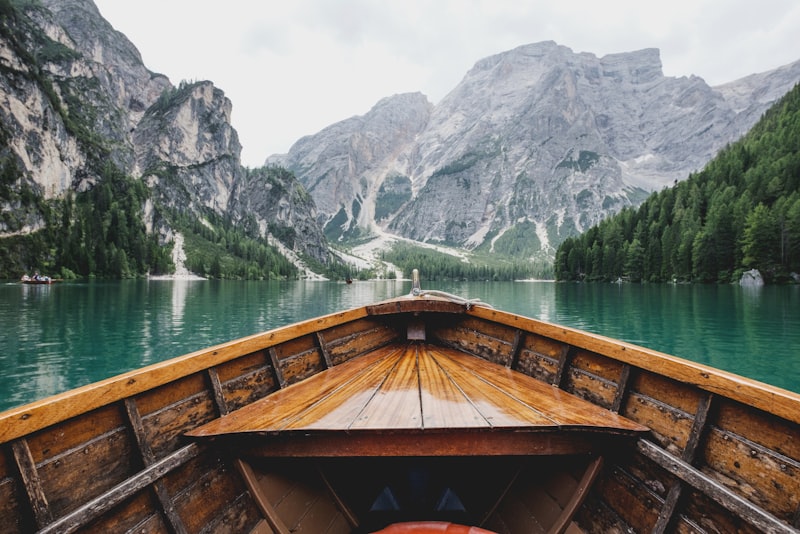
Before you fall for a photo, ask what season it was taken in — the empty cobbled street and golden light you're picturing may only exist for a few weeks a year, and the rest of the time tells a different story.
Read the climate, not the forecast#
A weather forecast covers a handful of days and is useless for a trip months away. What you want is the climate: the typical pattern of temperature, rainfall, daylight, and humidity for a given place in a given month, drawn from many years of records. This is the difference between hoping for good weather and planning around what's actually likely.
Look up historical averages for each candidate month and pay attention to more than the headline temperature. Rainfall and humidity shape a trip enormously — a "warm" month that's also a wet one can mean afternoon downpours that reshape your days. Daylight hours matter too, especially far from the equator, where a winter visit might offer only a short window of useful light. Wind, snow, and the timing of seasonal phenomena all belong in the picture.
Just remember that climate describes the odds, not a promise. Averages tell you what to pack and plan for; they can't guarantee any single day. Build a little flexibility into outdoor plans, carry a layer and something waterproof when the season suggests it, and you'll be ready for whatever the actual days bring.
Weigh weather against crowds and cost#
Perfect weather isn't automatically the best choice, because peak conditions usually arrive with peak crowds and peak prices. The real skill is deciding which trade-off serves the trip you want. A few honest questions sharpen the decision:
- Do you want reliable weather more than you want low prices and space?
- Are the crowds part of the appeal, or the thing you most want to avoid?
- Is your budget flexible enough to absorb peak-season premiums?
There's no universally correct answer — only the answer that fits your priorities for this particular trip. A beach holiday might genuinely need the warm, dry peak. A city break full of museums and cafés barely cares about weather and benefits hugely from off-season quiet and lower costs. A hiking trip lives or dies by trail conditions that only certain months allow. Naming what the trip is for tells you which factor should win.
Keep practicalities in mind too. Some places effectively close in the off-season, with ferries, mountain passes, or seasonal businesses simply not running. A bargain is no bargain if the thing you came for is shut. Quick research into what actually operates in your target month prevents this disappointment.
It also helps to think about who else is travelling when you are. School holidays, long weekends, and major local festivals can pack a destination and push up prices regardless of the weather, and these dates differ from country to country. A month that looks like quiet shoulder season on a climate chart can still be heaving because it coincides with a holiday you didn't know about. A little checking of the local calendar — alongside the weather — gives you the full picture and occasionally reveals a wonderful reason to go, or a good reason to shift your dates by a week.
Match the season to the experience you want#
The most rewarding way to plan is to start from the experience, not the date. Decide what you want this trip to feel like, then find the season that delivers it. If you're chasing autumn colour, spring blossom, snow, long beach days, a harvest, or a natural event, the timing isn't a detail — it is the trip, and everything else should bend around it.
This is also where flexibility pays off most. If your dates can move even by a couple of weeks, you can often slide out of the crowded, expensive peak and into the calmer, cheaper shoulder while keeping almost all of the good weather. That small shift is one of the most reliable upgrades in all of travel planning, improving your experience and your budget at the same time.
Think too about how the season shapes the rhythm of your days. Long summer daylight invites slow evenings and packed itineraries; short winter days reward a gentler pace and cosy indoor plans. Neither is better — they're different trips, and choosing on purpose beats stumbling into whichever one your dates happened to land on.
Seasons are the quiet lever that shapes a journey before you've packed a bag. Learn a destination's three seasons, study its climate rather than a forecast, weigh weather honestly against crowds and cost, and let the experience you want choose your timing. Do that, and you won't just visit a place — you'll catch it at its best, on terms that suit you, and go see the world the way it's meant to be seen.