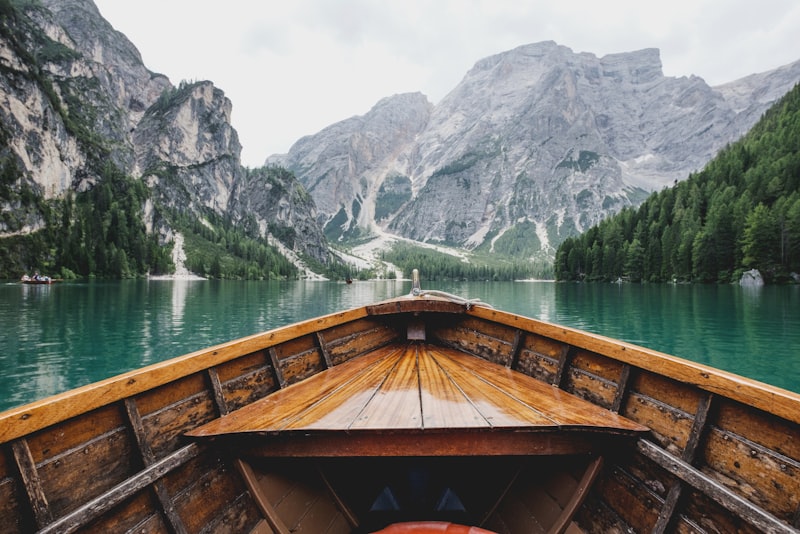
A weekend away should feel like a deep breath, not a sprint. Yet plenty of short trips end with you driving home more frazzled than when you left, having packed three days of ambition into a window that could only hold one. The trick to a good getaway is not squeezing more in. It is choosing the right shape for a small amount of time so the break actually breaks something open.
Stay close enough to count the hours#
The single biggest mistake in weekend planning is treating distance as a measure of adventure. A two-day trip spent largely getting somewhere far is mostly a travel day with a nap attached. For a short break, your effective range is wherever you can reach in roughly half a day or less, because every hour of transport is an hour stolen from the rest you came for.
This narrower range is a gift, not a limit. It pushes you to look at the places near home that you have driven past for years and never stopped to explore. A nearby coast, a small town an hour out, a city in the next region, a quiet stretch of hills. These places ask little of your travel time and give all of it back as actual weekend. When the journey is short, you can leave after work and arrive in time to settle, instead of collapsing into bed already counting down to the trip home.
Closeness also lowers the stakes. If a near trip goes slightly wrong, it is a story rather than a crisis, and you can return without a long, grinding journey. That ease is part of what makes a weekend feel restorative in the first place.
Choose one anchor a day and stop there#
The strongest weekend plans are almost embarrassingly simple. You pick one thing you genuinely want to do each day, build a loose morning and evening around it, and refuse to schedule the rest. One anchor per day sounds like too little until you live it and discover it is exactly right.
An anchor can be anything that gives the day a center of gravity: a long lunch somewhere you have wanted to try, a walk along a particular trail, a museum you can wander without a clock, a slow afternoon by water. The point is that once the anchor is chosen, everything else becomes optional. You are not racing between attractions; you are letting one good thing happen and seeing what grows around it.
A weekend is too short to hold a checklist and a rest at the same time. Choose the rest. The places will still be there when you come back for them.
This restraint is what separates a getaway from a regular busy week relocated to a prettier backdrop. If you arrive with a packed list, your mind keeps doing the same thing it does at home: managing, hurrying, measuring whether you are on schedule. By keeping each day to one anchor, you give your attention permission to drift, and drifting is where the actual recovery lives.
Protect the edges of the trip#
Weekends fail at the seams. The Friday departure that turns into a stressful late-night scramble and the Sunday return that bleeds into Monday's exhaustion can quietly undo everything good that happened in between. So plan the edges as carefully as the middle, and treat them as part of the rest rather than the price of it.
A few small habits make the difference, and they cost almost nothing to set up in advance:
- Pack the night before so leaving feels like stepping out, not launching an expedition
- Aim to arrive with daylight left, so your first hours are calm rather than frantic
- Build in a buffer on the way home instead of cutting it close to Monday
- Sort food for the first evening early, so you are not hunting for dinner while tired
These are not glamorous, but they are the scaffolding that lets the trip feel light. A weekend that begins with a settled arrival and ends with an unhurried return frames the whole break in calm. When the edges are soft, the middle has room to be genuinely good.
Pack light and keep money simple#
Short trips reward minimalism more than any other kind. You are away for two or three days, so a small bag with a few flexible clothes covers almost everything, and anything you forget is rarely more than a short walk from a shop. Overpacking for a weekend is a way of bringing your whole life along when the entire point was to leave most of it behind for a moment.
Keep the money side simple too. Decide a rough, comfortable amount you are happy to spend on the whole break and stop tracking every coin once you are there. For a short trip, the mental cost of constant budgeting can outweigh the money it saves, and the goal is rest, not a spreadsheet. A loose number you have already made peace with lets you say yes to the good lunch or the better room without a flicker of guilt. The figures you imagine for a weekend are illustrative anyway; what matters is that you set a ceiling you can relax beneath.
A weekend getaway works when you stop asking it to be a small vacation and let it be exactly what it is: a short, deliberate change of scene that resets you. Stay close, choose one good thing a day, guard the edges, and pack like you trust the place to provide the rest. Do that, and two or three days can do the quiet work you needed them to do. The world near home is closer than you think, so this weekend, go see a small piece of it.