Southeast Asia is the trip a lot of people dream about and then quietly put off, talked out of it by the sheer scope of the place. But it's far more approachable than it looks — a region built, in many ways, for travellers, with cheap food, easy transport and a deep groove of hospitality. The secret isn't doing it all. It's choosing well and slowing down.
Choose a region and a season first#
The first thing to accept is that "Southeast Asia" is not one trip. It spans many countries, thousands of islands and wildly different cultures, and trying to see a sweep of it in two weeks just means living on buses and at borders. Start by narrowing, not expanding.
Pick a region you can realistically cover at a relaxed pace. A loop through one or two neighbouring countries, or even a deep dive into a single one, gives you a far richer experience than skimming five. Each place has its own visa rules, character and highlights, and the borders, while crossable, do cost you time. Resist the temptation to add "just one more country" — that instinct is exactly what turns a dream trip into a tiring one. If you're still deciding where to point yourself, our guide on how to choose your next destination helps weigh the trade-offs.
Then check the season hard, because in this part of the world it matters enormously. The region runs on wet and dry seasons rather than four temperate ones, and those patterns vary between countries and even between coasts of the same country. A beach that's idyllic in one stretch of the year can be storm-lashed in another, and some areas have a haze or monsoon season worth planning around. There's no single best time for the whole region, so check the specific places on your route. Our guide on how to find the best time to visit anywhere walks through judging timing when your dates are flexible.
Travel slower than feels natural#
Once you have a region, build a route that moves slowly. The most common regret travellers come home with isn't missing a place — it's rushing all of them. Distances look short on a map and take longer in reality, and constant moving eats the very downtime that makes a trip feel good.
The traveller who sees three places properly always remembers more than the one who blurred through ten. In Southeast Asia, slower is not just calmer — it's richer.
Getting around is genuinely easy and part of the fun. Budget flights link the bigger cities cheaply and quickly across longer distances. For shorter hops, long-distance buses, trains and boats are woven into the traveller routine, often booked the day before through your accommodation or a local agent without much fuss. Within towns, you'll walk, hop in metered or app-based taxis, and use the small motorbike taxis and tuk-tuks that swarm the streets — agree the fare or use a ride app where you can, so there's no confusion. Don't over-plan the in-country legs; flexibility is one of the region's gifts, and leaving room to stay an extra night somewhere you love is part of doing it right.
Eat boldly and look after yourself#
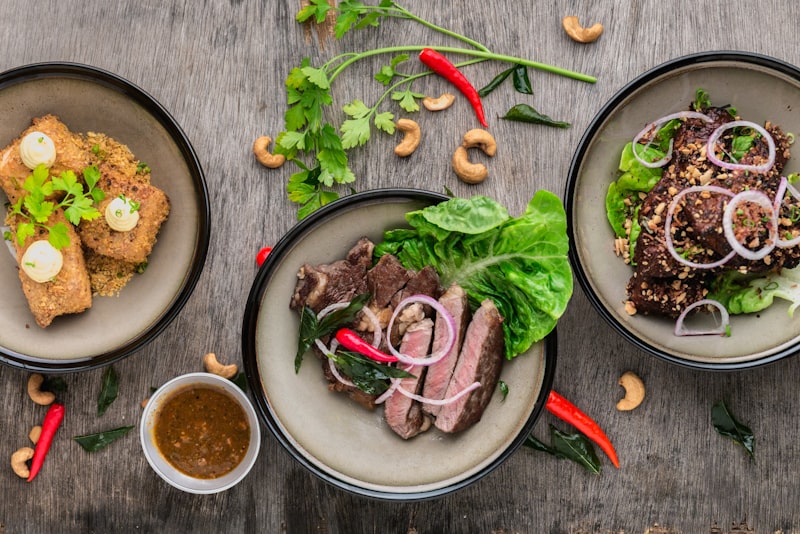
The food is one of the great reasons to come, and street food is where the region shines. Some of the best meals you'll ever eat will come from a cart, a plastic stool and a single bubbling pot. There's no need to be timid about it, but a little judgement keeps you healthy.
A few simple habits help you eat brilliantly and safely:
- Favour busy stalls where the food turns over fast and is cooked or fried in front of you, rather than dishes sitting out lukewarm.
- Be a bit more cautious with tap water, ice from unknown sources, and raw items if your stomach is sensitive, and build up your tolerance gradually.
Beyond the street stalls, markets, family-run shops and simple local restaurants will feed you superbly for very little. Eat the regional specialities, learn a couple of polite words in the local language, and don't reduce every meal to the cheapest option — paying a fair price for great food is part of travelling well, not a failure of budgeting. Carry hand sanitiser, stay hydrated in the heat, and give your body a day or two to adjust when you arrive rather than diving straight into a punishing schedule.
Sort the practicalities and stay flexible#
The groundwork here is more involved than for a quick European city break, so give it proper attention well before you go. Entry rules vary by country and by your nationality, and they genuinely change — some places offer visas on arrival, some need them arranged in advance, some require an onward ticket — so confirm every country on your route through official government and embassy sources, not forum hearsay. Check current health guidance too, including any recommended or required vaccinations and malaria precautions for specific areas, with a travel-health professional and official sources, and make sure your travel insurance actually covers what you plan to do.
Pack light and pack for heat and humidity: breathable clothes, something to cover shoulders and knees for temples and respectful dress, rain protection, good sandals and a small daypack. Carry some local cash, since markets and street vendors rarely take cards, and keep your money and documents secured. Sort connectivity with a local SIM or eSIM so maps, translation and bookings are always at hand. And keep your itinerary loose on purpose — the best moments in this region tend to be the ones you didn't schedule, the extra night by the water or the detour a fellow traveller swears by.
For all its scale, Southeast Asia asks less of a first-timer than its reputation suggests. Choose a manageable region, respect the seasons, move slowly, eat with curiosity and do the visa and health homework early, and the rest tends to take care of itself with surprising ease. This is a part of the world that has welcomed travellers for generations and is genuinely good at it. Plan the bones, leave room for the rest, and go see it — it's far closer to reach than it feels from home.