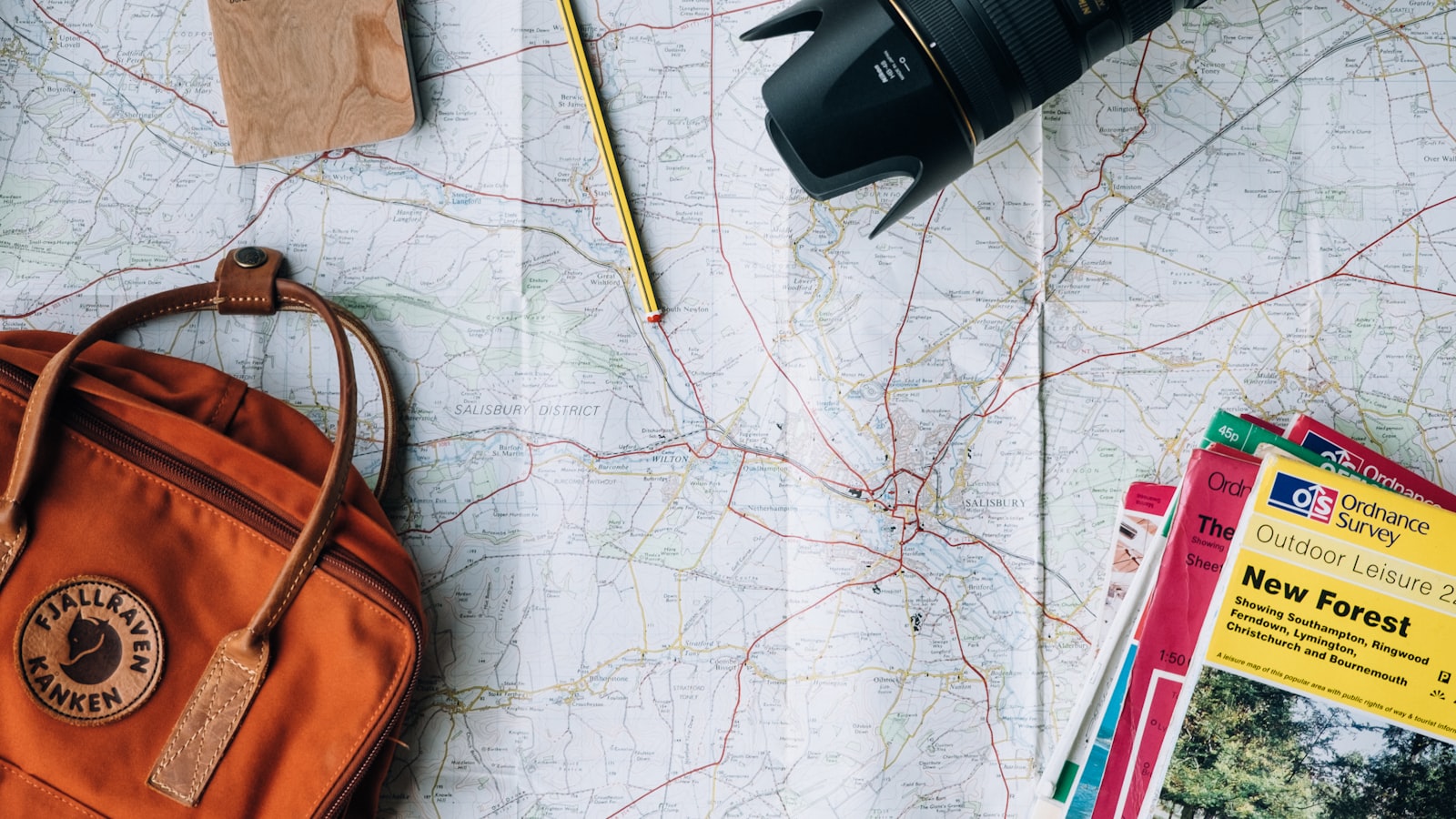
Most trips don't fall apart because of bad luck. They wobble because the planning happened in the wrong order, with the fun parts decided early and the boring-but-load-bearing parts left until the week before. Plan in the right sequence and the whole thing gets easier, cheaper, and far less stressful.
Start with the shape, not the details#
Before you open a single booking site, decide the rough shape of the trip. That means four things: roughly when you can go, roughly how long, roughly how much you can spend, and what you actually want out of it. A week of doing nothing on a quiet coast and a week of sprinting through five cities are both great trips, but they're not the same trip, and you can't plan one as if it were the other.
Be honest about the "why." A trip built around food, a trip built around rest, and a trip built around seeing a specific place all pull in different directions. Naming the priority early stops you from cramming in obligations that quietly drain the days you wanted for the thing you came for.
Write this shape down in a sentence or two. "Ten days in late spring, mid-range budget, mostly slow, one big hike." That sentence is your filter. Every later decision either fits it or it doesn't.
Get the money real before you get excited#
Budget is where wishful thinking does the most damage, so handle it second, while you're still calm. Split a trip into five buckets: getting there, getting around, sleeping, eating, and doing. Put a rough number on each. The numbers don't need to be exact; they need to be honest enough that you don't book a flight you can only afford by eating crackers for the rest of the trip.
A useful habit is to pad the total by ten to twenty percent for the things you can't foresee — a missed connection, a rainy day rescued by an indoor splurge, the small daily costs that quietly add up. Budgets in any guide, including this one, are illustrative. Real prices swing by season, city, and how you like to travel, so treat every figure as a starting point you'll sharpen with a few quick searches for your actual dates.
A budget isn't a cage. It's the thing that lets you say yes to the one splurge that matters because you didn't fritter the money on five that didn't.
If the honest number is bigger than your savings, you have three levers, not one: go for less time, go somewhere cheaper, or go later and save more. Pick a lever now, on paper, instead of discovering the gap at the airport.
Sort the paperwork early, because it's slow#
This is the step people skip and regret. Entry requirements depend entirely on your nationality and where you're going, and they change, so don't rely on what a friend did three years ago. Check your passport's expiry — many countries want several months of validity beyond your travel dates — and check whether you need a visa or any advance travel authorisation. The only sources worth trusting here are official ones: your own government's travel pages and the destination country's embassy or official immigration site.
Do this first because it can be the slowest part of the whole process. A visa can take weeks, a renewed passport longer, and both are immovable. Everything else on your list can be arranged in an afternoon; these cannot. While you're at it, glance at any health requirements or recommendations for the region and give yourself time to act on them well before departure.
Book in order of scarcity#
Now you book, but not all at once and not in a random order. Book in order of how likely something is to sell out or jump in price. Roughly:
- Flights or long-haul transport, since these usually cost the most and move the most.
- Any accommodation in a place or season that fills up.
- The handful of experiences that genuinely require advance tickets — a famous site with timed entry, a popular trek, a restaurant you've dreamed about.
Notice what's not on that list: most of your days. Resist the urge to book every meal and museum. Lock the scarce, expensive, can't-redo-it things, and deliberately leave the rest open. The loose space is where the good trips happen — the market someone tips you off about, the extra night because a town turned out to be magic. Over-planning is just as costly as under-planning; it's only quieter about it.
If you want help turning these bookings into actual days, our guide on how to build a travel itinerary walks through pacing a route without packing it too tight.
Build a simple system you'll actually use#
A plan you can't find at the airport isn't a plan. Keep everything in one place — one document, one folder, one app, whatever you'll genuinely open. In it, put your confirmation numbers, addresses, any tickets, and a short day-by-day sketch that's allowed to change. Save offline copies of the essentials, because the moment you most need your boarding pass is often the moment you have no signal.
Two more small habits punch above their weight. First, share your rough plan and key bookings with someone at home; it costs nothing and matters enormously if something goes wrong. Second, make a one-page "leaving" checklist a few days out: documents, money, medication, chargers, anything that's miserable to replace abroad. A short written list beats a confident memory every single time, especially at six in the morning with a taxi waiting.
In the final days, your job shifts from deciding to confirming. Re-check your departure time, your route to the airport or station, and the first night's address. Then stop planning. The work is done; the trip's job now is to surprise you a little.
The whole framework is just this: decide the shape, make the money honest, clear the slow paperwork, book by scarcity, and keep one tidy system. Run those steps in order and almost any trip — a weekend away or a month across a continent — comes together without the dread. The point was never a flawless plan. It was to free you up to go see the world, then actually enjoy being there.