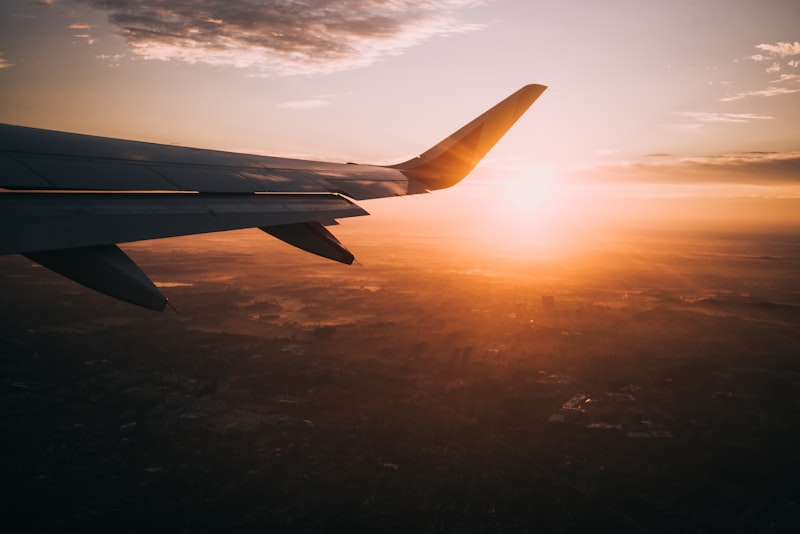
A long flight can feel like time you simply have to survive, but it doesn't have to be. With a little preparation, the same ten or twelve hours can pass as a stretch of reading, dozing and quiet rest rather than a cramped ordeal. The difference rarely comes down to your ticket class — it comes down to a handful of choices you make before and during the flight. Here's how to land feeling more like yourself.
Choose your seat with intention#
Where you sit shapes the whole journey, so it's worth a moment's thought when you book. If sleeping is your priority, a window seat lets you lean against the side and means nobody climbs over you to reach the aisle. If you know you'll be up often to stretch or use the bathroom, an aisle seat saves you from disturbing neighbours and gives a little extra room to angle your legs.
The area you choose matters too. Seats near the wings tend to feel steadier in turbulence, while those at the very back can be louder and closer to galleys and bathrooms. If you're tall or just value space, look into the airline's seat map before you book; the small fee for a little extra legroom is often the best comfort money you'll spend all trip. None of this requires an upgrade — it's just making the seat you already have work harder for you.
If you're travelling with someone on a less full flight, booking the window and the aisle of a three-seat row sometimes leaves the middle empty, giving you both room to spread out.
Dress and pack for comfort#
Airplane cabins are unpredictable — too warm at the gate, chilly somewhere over the ocean — so dress in soft, breathable layers you can add or remove. Loose clothing and shoes you can slip off make a long flight far more bearable than anything stylish but tight. A pair of warm socks tucked in your bag is a small luxury when the cabin cools and you want to free your feet.
A little comfort kit, packed in advance, transforms the experience. The essentials are few but powerful:
- A neck pillow, eye mask and earplugs or headphones to carve out a pocket of rest.
- A refillable water bottle, lip balm and moisturiser to fight the dry cabin air.
- A toothbrush and a fresh shirt for the last hour, so you arrive feeling renewed.
The traveller who arrives rested isn't lucky — they simply decided, hours earlier, to treat the flight as part of the trip rather than an obstacle before it.
Keep this kit in the seat pocket or under the seat in front, not in the overhead bin, so you're not standing up every time you need something small.
Stay hydrated and keep moving#
The air in a cabin is remarkably dry, and that, more than the flight itself, is what leaves people feeling stale and headachy on arrival. The simplest remedy is water, and plenty of it. Fill a bottle after security, sip steadily through the flight, and go easy on alcohol and excess coffee, both of which dry you out further and disrupt the rest you're trying to get.
Sitting still for hours isn't good for your body either, so build small movements into the journey. Every couple of hours, get up and walk the aisle, or at least flex your feet, roll your ankles and stretch your legs in your seat. This keeps blood flowing and stiffness at bay, and it breaks the long stretch into manageable pieces. If you have any health conditions or concerns about long periods of sitting, talk to your doctor or a travel clinic before you fly — they can give advice suited to you, which a general article never can.
Sleep on the plane's terms, then the destination's#
Sleeping upright is an art, but it gets easier when you stop fighting the environment and start shaping it. Recline within reason, support your neck so your head doesn't loll, and use the eye mask and earplugs to shut out the constant low hum and the flicker of other people's screens. A blocked-out, slightly cocooned seat is far more restful than one open to every cabin announcement and aisle light.
The bigger trick is mental. As soon as you board, set your watch to the time at your destination and start living by it. If it's night where you're going, dim your world and try to rest even if you're not fully tired; if it's daytime there, stay awake and save sleep for later. Easing your body toward the new rhythm in the air softens the jolt of jet lag once you land, and it turns the flight from dead time into a head start on adjusting.
Land ready for the trip ahead#
A long flight is the bridge between ordinary life and somewhere new, and how you cross it sets the tone for everything that follows. Arrive dehydrated, stiff and exhausted, and your first day vanishes into a fog. Arrive rested, refreshed and gently adjusted, and you step off the plane ready to actually begin.
None of the advice here is complicated or expensive. Choose your seat thoughtfully, dress for comfort, pack a small kit, drink your water, move your body and live by your destination's clock from the moment you board. Do those things and the flight stops being something to dread and becomes simply the first quiet chapter of the journey.
It also helps to manage your own expectations. A long flight will rarely be luxurious, and a little turbulence, a crying child or a stiff back are part of the deal for nearly everyone on board. The travellers who fare best aren't the ones who expect perfection — they're the ones who pack patience alongside their neck pillow and treat the inevitable small discomforts as nothing more than weather to wait out. A good book, a few episodes saved offline and a relaxed attitude do as much for a flight as any gadget. Settle in, look after yourself, and let the miles carry you somewhere worth the trip.