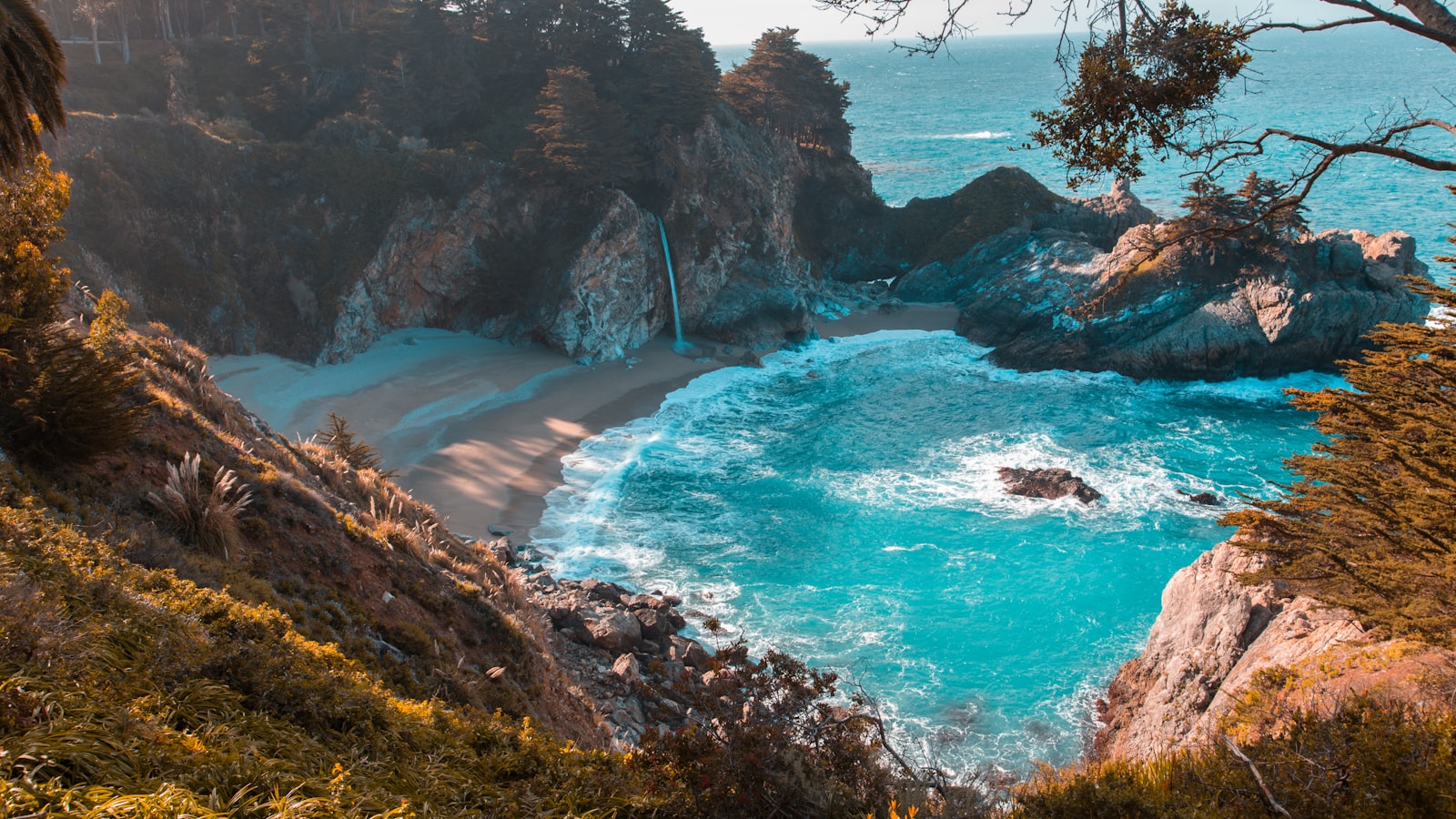
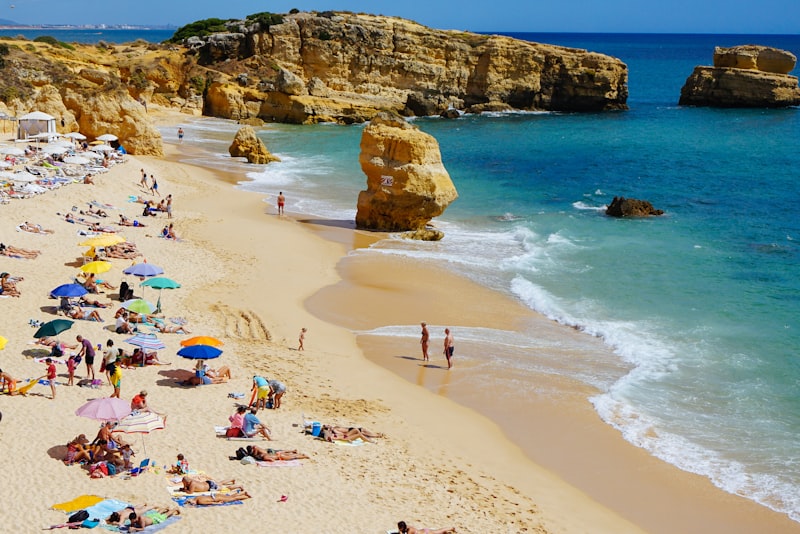
The best travel memories rarely come from the place everyone photographs. They come from the tiny restaurant a stranger pointed you toward, the quiet square you stumbled into, the neighbourhood no guidebook bothered to mention. These hidden gems aren't really hidden; they're just one or two steps off the path everyone else is walking.
Finding them isn't about luck or secret lists. It's a handful of habits anyone can learn, and they make every trip richer.
Ask the people who actually live there#
The simplest way to find the real version of a place is to ask the people who call it home, but the trick is asking the right question. "What should tourists see here?" gets you the same famous answers everyone already knows. "Where do you like to eat on a normal evening?" or "Where do you go on a day off?" opens a completely different door.
Be generous about who you ask. The owner of your guesthouse, a shopkeeper, the person serving your coffee, a friendly stranger on a bench. Most people are quietly proud of where they live and happy to share a corner of it, especially if you show genuine interest rather than just hunting for a photo. A few words of the local language and a warm, unhurried manner go a long way toward earning a real recommendation instead of a polite, generic one.
When you do get a tip, take it seriously even if it doesn't appear anywhere online. The whole point of a hidden gem is that the algorithms haven't found it yet. Some of the best meals and afternoons of your travelling life will come from a name scribbled on a napkin, not a top-ten list.
It helps to ask people whose taste is likely to match yours, too. A young waiter and a retired shopkeeper will send you to very different places, and both can be wonderful, but knowing whose advice fits your mood saves you from a recommendation that's technically local yet not really for you. The more specific your question, the better the answer: ask where to find a quiet morning coffee, a lively evening, or the dish the region is genuinely known for, and you'll get somewhere far truer than a vague "anything good nearby."
Walk past where the crowds stop#
Crowds have a remarkably short reach. Stand at almost any famous sight and watch where people go: they cluster within a block or two, take their photos, and leave. Walk just past that invisible boundary, three or four streets further than feels natural, and the souvenir shops thin out, the prices drop, and the place starts to feel like itself again.
This is the single most reliable trick there is. The good neighbourhood bakery, the bar full of locals, the little gallery, the quiet park, they're almost always a short walk from the busy core, not a long journey away. You don't need to leave the city to escape the tourist bubble; you just need to keep walking when everyone else turns back.
The line between a tourist trap and a local treasure is often no more than a five-minute walk that almost nobody bothers to take.
Wandering on foot, without a fixed destination, is its own technique. Pick a direction that looks interesting and follow it. Let a pretty street pull you down it. Build in deliberate unscheduled time so you're free to detour when something catches your eye. The plans you can break are where the discoveries live, because a gem you go looking for specifically isn't a surprise, and the surprise is half the joy.
Change when you go, not just where#
Timing transforms a place as much as location does. The famous square that's a crush of people at midday can be magical and nearly empty at dawn or late in the evening. A market is a different world in its first quiet hour than in its busy afternoon. Often the hidden gem isn't a secret spot at all; it's a well-known one experienced at a moment when hardly anyone else is there.
Lean into the off-peak in every form. Travel in the shoulder seasons when you can, just before or after the busiest months, when the weather is often still good but the crowds and prices ease. Within a day, aim for early mornings and the hours around dusk, when light is beautiful and locals reclaim their own streets. Eat when they eat rather than when tour groups do. The same effort that takes you somewhere unusual also rewards you for showing up at an unusual time.
Pay attention to the everyday, too. Neighbourhood markets, local festivals, ordinary parks, the streets where people actually live, these hold more genuine character than many ticketed attractions. Sitting in a normal café watching a place go about its day is a kind of discovery in itself, and it costs almost nothing.
Follow your own curiosity, and verify as you go#
Here's the quiet secret behind every great hidden gem: it matched the person who found it. The perfect spot for a music lover, a cook, a history buff, and someone who just wants to read in the sun are four different places. So instead of chasing a generic "best of" list, follow what you personally find interesting, and let that guide where you wander and who you ask.
Trust your instincts. If a side street looks inviting, take it. If a small place is full of locals and has no menu in your language, that's usually a good sign, not a bad one. A little willingness to be uncertain, to not know exactly what you'll find, is exactly what separates travellers who collect real discoveries from those who only ever see the postcard version.
Stay sensible as you explore. Keep a rough sense of where you are, trust your gut about which areas feel comfortable, and check that a tucked-away spot is currently open before you trek across town, since small, charming places keep their own hours and sometimes close without notice. Verify the practical details, then let everything else stay open to chance.
Hidden gems reward curiosity over checklists. Ask locals the real question, walk a few streets further than the crowd, show up off-peak, and chase what genuinely interests you. Do that and you'll stop merely seeing the places everyone sees and start collecting the small, personal discoveries that make a trip truly yours. Go wander, and let the world surprise you.