There's a quiet myth that a good trip costs money at every turn, that an empty wallet means empty days. It's simply not true. Some of the most memorable hours you'll spend anywhere — a walk through an old quarter at dusk, a market full of noise and colour, a view earned on foot — cost nothing at all. Finding the free stuff isn't about scrimping; it's about paying attention to what a place already gives away.
Start by walking, because walking is free and rich#
The cheapest activity on earth is also one of the best, and it's the one most travellers underuse. Walking a city is how you actually meet it. You notice the architecture, the way neighbourhoods change block by block, the smell of a bakery, the rhythm of locals going about their day — none of which you get from inside a taxi or a tour bus. A long, aimless walk costs nothing and routinely becomes the part of a trip people remember most.
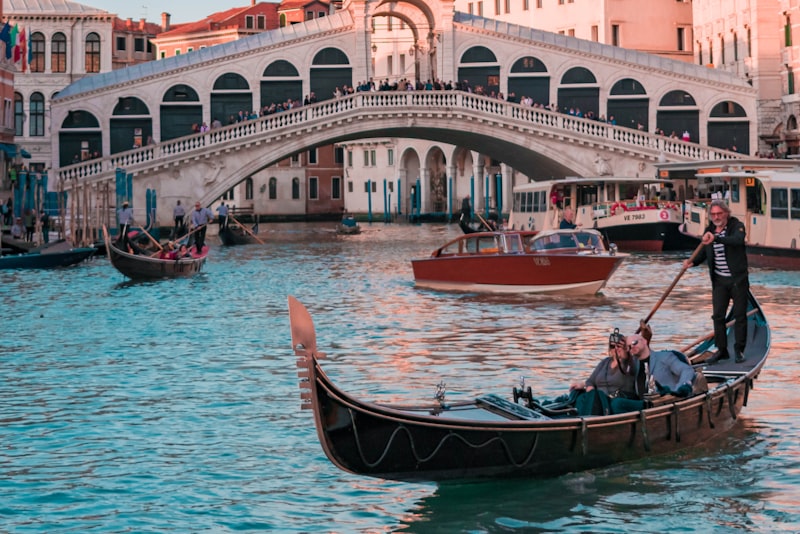
Give your walking a loose shape and it gets even better. Pick a district with a reputation for character and just wander it. Walk along the water if there's a river, a harbour, or a coast, because waterfronts are almost always public, free, and lovely. Climb to a viewpoint, a hilltop, or a free terrace and let the city lay itself out below you. You don't need a plan more elaborate than a direction and a few hours.
The most honest way to understand a place is to walk it slowly with no particular goal. You can't buy the things a good walk shows you, which is exactly why they're free.
Walking also solves a sneaky budget problem: getting around. Transport adds up over a trip, and in a compact city centre, your own two feet are often faster than waiting for anything anyway. Choosing to walk between sights instead of paying to ride between them saves money and fills the gaps between landmarks with the small discoveries that make a trip feel like yours.
Use the free hours and days that already exist#
Plenty of paid attractions have free hours, free days, or free entry that they don't exactly advertise, and they're yours for the asking. Many museums and galleries open their doors for free on a particular evening or a particular day each period. Some are always free and survive on donations, leaving the amount entirely to you. Public gardens, certain historic churches, civic buildings, and parks frequently cost nothing year-round. The pattern varies everywhere, so the only reliable move is to check before you assume there's a charge.
Finding these takes a little curiosity, not money. Look at the official websites of the places you want to see and read the admission section properly. Ask at a visitor information centre, which exists precisely to point you toward what a city offers. Ask the staff at your accommodation, who often know the free evenings and the no-charge viewpoints that never make the guidebooks. The information is out there; it just rewards the traveller who asks one more question.
Be ready to bend your schedule a little to catch these windows, because a free evening at a great museum is worth planning a day around. If a place you long to see is only free on a certain afternoon, build your itinerary so you're there then. A small amount of timing flexibility converts a paid list of sights into a mostly free one, and the experience is identical — the painting doesn't know what you paid to stand in front of it.
Let the city's own life entertain you#
The richest free experiences usually aren't attractions at all; they're the ordinary life of a place, which costs nothing to watch and join. Markets are the classic example — wandering a food market or a flea market is a full sensory afternoon, and you needn't buy a thing to enjoy the colour, the smells, and the theatre of it. Public squares, parks, and promenades are where a city relaxes, and sitting among locals doing the same is a genuine experience, not a consolation prize.
Free public events happen constantly if you keep your eyes open. There are outdoor concerts, street performers, festivals, religious processions, community celebrations, and seasonal gatherings that locals attend by the thousand. These are often the most vivid, most authentic windows into a culture you'll get on a whole trip, and the price of admission is showing up. A noticeboard, a local listings site, or a quick question to someone friendly will usually turn up something happening while you're in town.
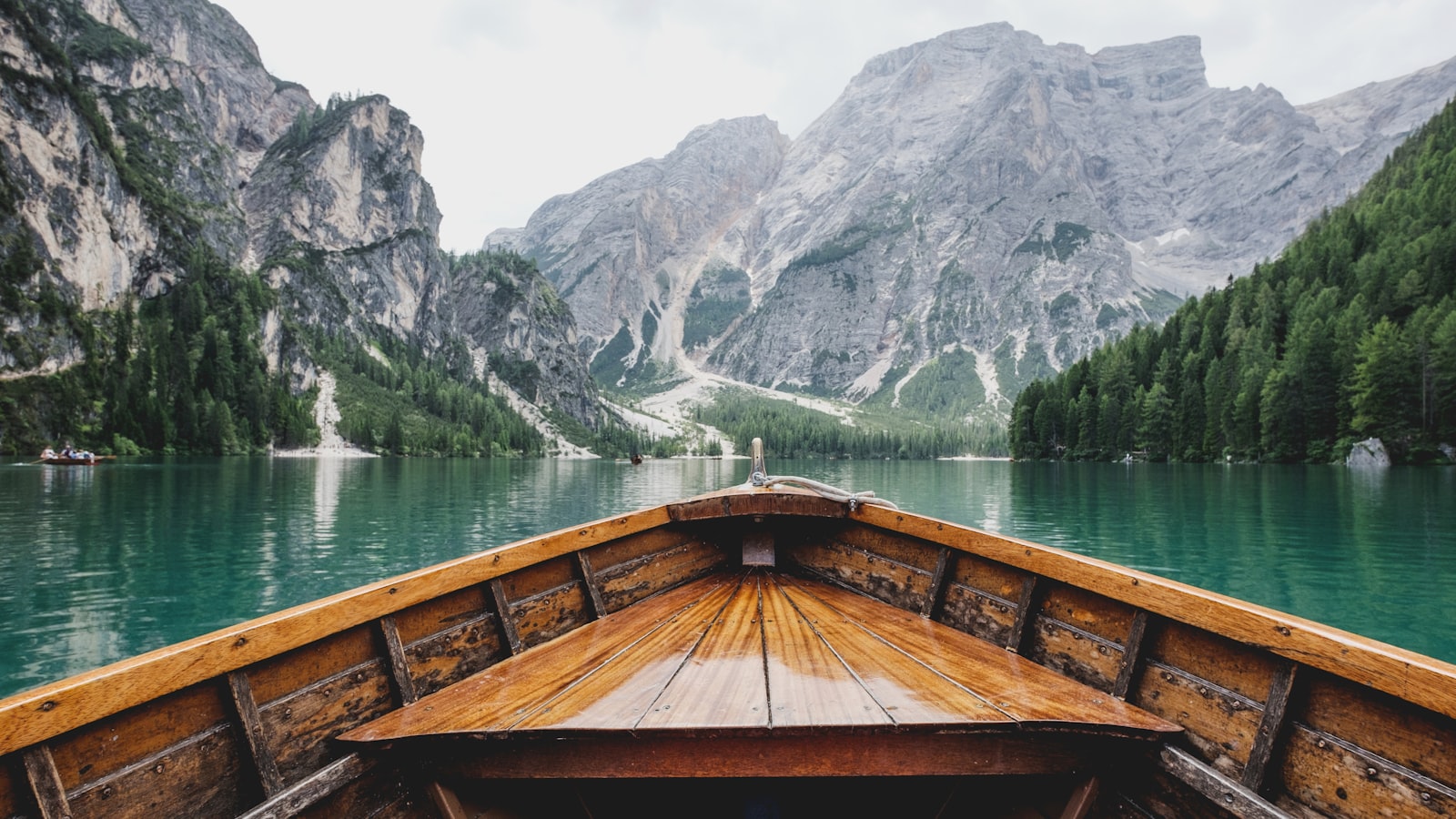
Nature does the same generous work outside the cities. A few free experiences cost nothing but your time:
- A beach, a lakeshore, or a riverbank where you can swim, sit, or watch the light change
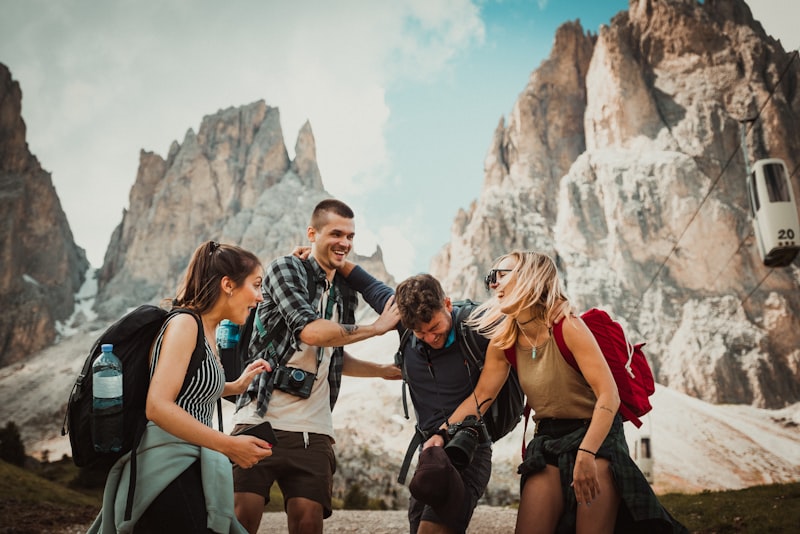
- A hiking trail or a scenic lookout that asks for effort instead of money
- A public park big enough to spend a whole lazy afternoon in
- A sunrise or sunset from anywhere with a clear horizon
None of these are second-best options you settle for when money is tight. They're frequently the headline memories of a trip — the swim, the view, the evening the whole town spilled into a square — and they happen to be free. The grandest landscapes on the planet rarely charge admission at all.
Treat a full trip as a matter of attention#
The deepest shift here is mental. A satisfying trip isn't the one with the longest receipt; it's the one where you were genuinely present and curious. When you stop measuring a day by what you spent on it, you start noticing how much a place is handing you for nothing — the conversation with a stranger, the unplanned street you fell in love with, the hour you sat and just watched. Attention, not money, is what fills a trip.
This is liberating in a very practical way. It means a tight budget never has to mean thin, empty days, because the supply of free things to do in almost any destination is effectively endless once you go looking. You can save your money for the handful of paid experiences that truly matter to you — the one tour, the one meal, the one ticket worth it — and let everything around them be the free, wandering, watching, walking life of the place itself.
So go light on the spending and heavy on the curiosity. Walk further than you meant to, ask one more question about free days, follow the sound of the festival, and sit in the square long enough to feel the city's pulse. The world gives away more than it sells, and the traveller who learns to find the free things is rarely the one who sees less — usually it's the one who sees most.