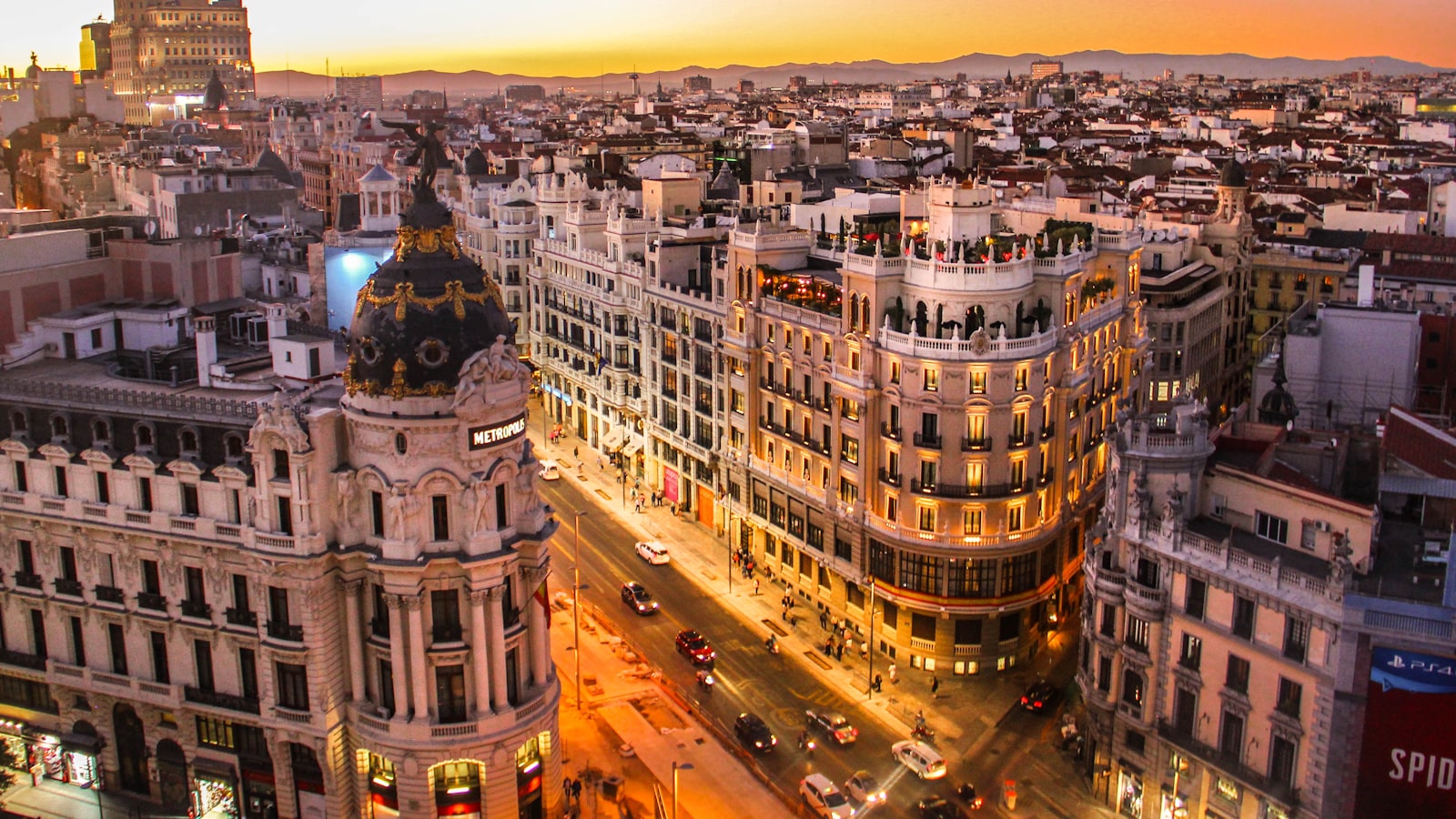
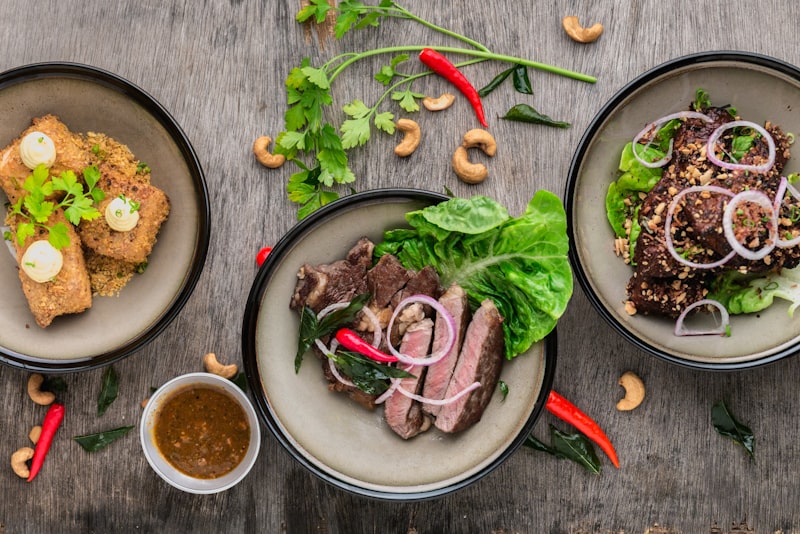
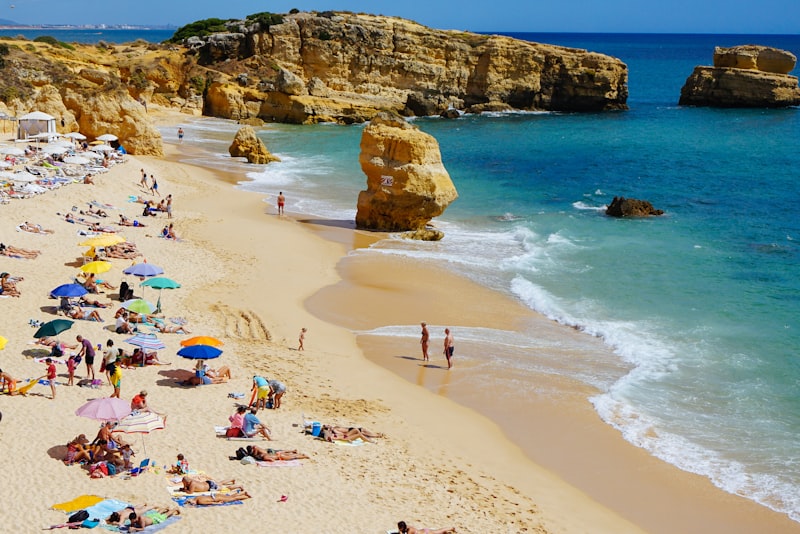
"Like a local" gets thrown around so often it's almost lost its meaning, but the feeling behind it is real: the difference between rushing past a city and briefly belonging to it. You don't need months or fluent language to get there. You need to swap a few tourist habits for the small, ordinary rhythms that make a place feel less like a sightseeing list and more like somewhere you live for a while.
Stay in a neighbourhood, not a sight#
Where you sleep shapes the entire trip, often more than what you go to see. Book yourself into the heart of the tourist zone and you'll wake each day surrounded by other visitors, inflated menus, and shops selling the same fridge magnets. Base yourself in a real residential neighbourhood — one with a corner shop, a bakery, kids walking to school — and the city starts revealing its everyday self before you've even left the front door.
You don't have to go far out to find this. A street or two back from the main attractions is often enough to cross from tourist theatre into actual life, while staying close to good transit. Look for areas where people clearly live and work, where the cafes fill with regulars at breakfast, and where the evening crowd is mostly locals heading home. That ordinary backdrop becomes the texture of your trip.
The bonus is practical as well as atmospheric. Neighbourhood bases tend to be better value, quieter at night, and surrounded by the kind of unfussy restaurants and markets that visitors rarely find. You wake up inside the real city instead of commuting into it each morning, and that single choice does more for an authentic trip than any tour you could book.
Move at the city's pace#
Tourists and locals move through a city completely differently. Visitors tend to sprint — early starts, packed days, a checklist to clear before the flight home. Residents drift through a normal rhythm: morning coffee, work, a slow meal, an evening stroll. If you want to feel a place rather than just photograph it, borrow that rhythm instead of fighting it.
That means doing less and lingering longer. Pick one or two things you actually care about each day and leave the rest open, so you have room to sit in a square, watch the street, and let an afternoon unfold without a plan. The unplanned hours are where cities reveal themselves — the conversation with a shopkeeper, the festival you didn't know was on, the perfect dead-end alley. A schedule crammed to the minute leaves no space for any of it.
You'll remember the morning you sat with a coffee and watched a neighbourhood wake up far longer than the monument you rushed to so you could rush to the next one.
Slowing down also tunes you in to local timing. Many places have their own daily clock — when shops shut for a midday break, when dinner really begins, which day everything closes. Notice those rhythms and lean into them rather than expecting the city to run on your home schedule. Moving at the local pace isn't laziness; it's how you stop being a spectator and start being, briefly, a participant.
Eat and shop where people actually live#
Food is the fastest route into a culture, and the rule is almost comically simple: eat where locals eat, and walk away from the famous landmarks to do it. A restaurant with a tower in its window and a menu in six languages is built for tourists; a place down a side street, full at local hours with people who clearly come often, is where the real cooking happens. Follow the crowd of residents, not the crowd of cameras.
Markets are even better. A neighbourhood food market shows you what the city actually eats — the produce, the snacks, the small specialities — and it's a feast for the senses whether or not you buy much. The same goes for ordinary shops: buying your bread, fruit, and coffee where locals do isn't just cheaper, it's a daily dose of genuine city life. These small errands quietly become some of the most grounding moments of a trip.
Be willing to eat on the local clock and order what the locals order. If a city eats dinner late, eat late. If a dish is what a place is known for, try it rather than defaulting to the familiar. You'll occasionally get a meal that doesn't land, and that's fine — the hits more than make up for it, and the willingness to follow local taste is exactly what separates experiencing a city from merely visiting it.
Show up with curiosity and a little courtesy#
The final ingredient isn't logistical, it's attitude. Locals can tell instantly whether a visitor is genuinely curious about their home or just collecting it, and the warm, open response you hope for usually depends on the warmth and openness you bring first. A little humility and interest go a remarkably long way.
Learn a few words of the local language before you arrive — even a clumsy "hello," "please," "thank you," and "sorry" transform how people treat you. You're not aiming for fluency; you're signalling respect, an acknowledgement that you're a guest in someone's home rather than a customer entitled to be served in your own tongue. That small effort is almost always met halfway, and often more than halfway.
Pay attention to everyday courtesies too, because they vary from place to place: how people greet a shopkeeper, whether you queue or jostle, how loud is too loud, what's considered polite at the table. Watch how locals behave and quietly match them. Stay flexible when things work differently than at home — different isn't wrong, it's the whole point of going. Approach a city with open, respectful curiosity and it tends to open right back. That, more than any single tip, is how you experience a place like a local: not by performing belonging, but by paying attention, slowing down, and treating the city as a home you've been lucky enough to borrow. Travel this way and the world stops feeling like a list of sights and starts feeling like a series of places you actually got to know.