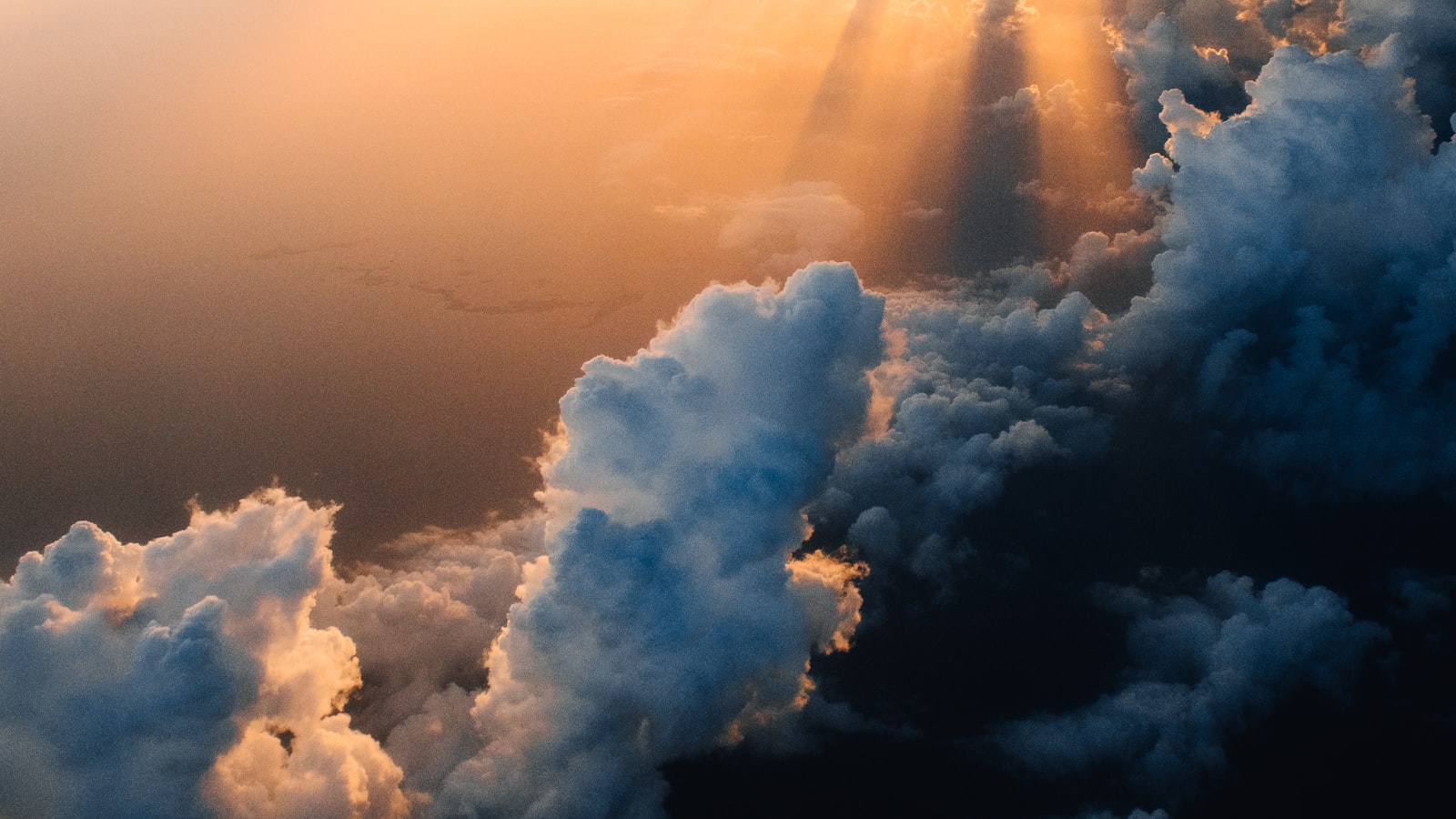
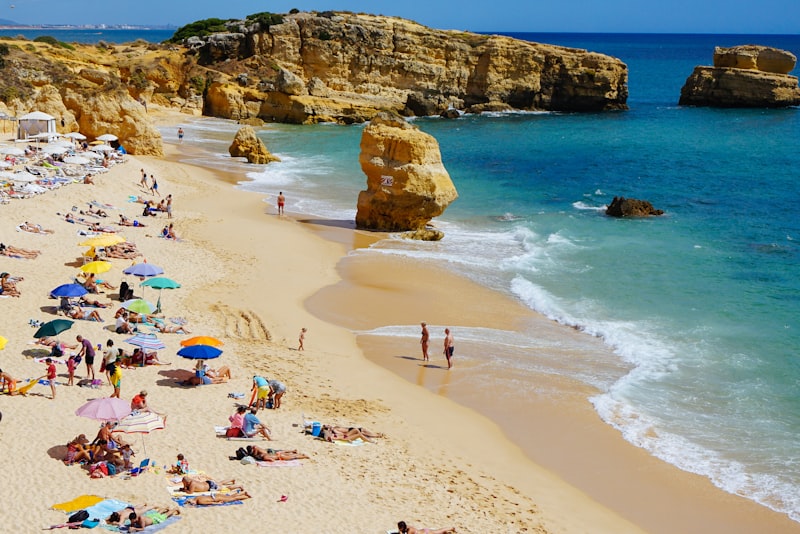
Every trip eventually forces the same quiet question: do you want pavement under your feet or a trail? A city hums with galleries, food and late nights, while nature offers space, silence and the kind of view that resets you. Neither is better. They simply do different things to a person, and choosing well starts with knowing which one you actually need.
Start with what the trip is for#
Before you compare destinations, ask what you want this trip to do for you. A city break and a nature escape solve different problems, and a place that's perfect for one can quietly disappoint if you wanted the other.
Cities are for stimulation. You go to be among people, to eat well, to stumble into a museum or a market or a conversation, to feel the buzz of somewhere that never quite stands still. They reward curiosity and stamina, and they fill your days whether you plan them or not. Nature, by contrast, is for restoration and awe. You go to slow down, to breathe cleaner air, to walk for hours and think about nothing, to feel small in front of something vast. It rewards patience and presence rather than a packed schedule.
So check in honestly. Are you craving input or quiet? Do you want your senses crowded or cleared? If you've had a draining few months, a relentless city itinerary may deepen the fatigue rather than lift it. If you're restless and under-stimulated, a week staring at a serene lake might leave you twitchy by day three. The right answer isn't fixed — it changes with the season of your life. Choose for the version of you boarding the plane, not an idealised traveller.
Be honest about your pace and stamina#
The two trip types make very different demands on your body and attention, and pretending otherwise is how people come home more tired than they left.
Cities look easy and aren't. You walk further than you think on hard surfaces, you navigate transit and crowds, you make dozens of small decisions a day about where to eat and what to see next. It's wonderful, but it's a particular kind of tiring — busy, decision-heavy, rarely truly still. Nature trips swap that for physical effort and logistics. Hiking, paddling or even just reaching a remote spot takes planning, the right gear and a tolerance for being far from conveniences. The reward is a deeper kind of rest, but you earn it.
A city fills your days for you; nature asks you to fill them yourself. Knowing which feeling you want is half the decision already made.
Factor in who's coming, too. A demanding trail that's a joy solo can be a misery with young kids or a reluctant friend, and a long museum day delights some people and flattens others. Match the trip to the actual group and their real fitness and interests, not the highlight reel in your head. If you're still weighing where to point all this energy, our guide on how to choose your next destination walks through the wider decision.
You don't have to choose just one#
Here's the reassuring part: the city-versus-nature divide is often a false binary. Some of the best trips deliberately braid the two together, and many destinations let you do both within a short journey.
A classic, low-stress approach is to anchor the trip with a clear base and take day trips from it. Stay a few nights in a city to soak up the food and culture, then make a day or two out into the surrounding hills, coast or countryside before returning to your comfortable room. Or flip it: base yourself somewhere green and restful, and dip into a nearby town when you want a meal out and a bit of life. The trick is not to keep packing and repacking. Pick one or two bases, settle in, and let the contrast come to you rather than chasing it across the map.
A few honest trade-offs to weigh when you're blending the two:
- More variety means more transit time, so don't try to stitch together places that are genuinely far apart in a short trip.
- Cities and nature peak in different seasons, so a window that's perfect for one might be wet, crowded or closed for the other.
If you do go multi-stop, plan the transitions deliberately rather than improvising them. Our guide on how to plan a multi-city trip covers sequencing several places without burning yourself out on travel days.
Check the season and the practical realities#
Once you've got a leaning, pressure-test it against the calendar and the logistics before you commit, because timing makes or breaks both kinds of trip in completely different ways.
For cities, the big variables are crowds, prices and events. A famous city in peak season can be glorious or grindingly busy, with queues and rooms that cost a fortune; a quieter shoulder period often gives you the same place at half the friction. For nature, the season decides what's even possible. Trails close under snow, certain landscapes only come alive in spring or after rain, wildlife appears on its own schedule, and some remote areas are simply unreachable for months at a time. A stunning national park visited in the wrong week can be shut, sweltering or washed out. Our guide on how to find the best time to visit anywhere is worth a read if your dates have any flex.
Then do the unglamorous checks. Confirm whether your nationality needs a visa or travel authorisation through official government sources, since rules change and vary by destination. For nature spots, verify current access — many parks, reserves and trails require permits, timed entry or advance booking, and some limit numbers to protect the landscape. For cities, check the real opening hours and ticketing for anything you're set on, since seasonal closures are common. Treat any prices you read anywhere, here included, as rough starting points rather than quotes.
The goal was never to crown one kind of travel the winner. It's to notice what you genuinely need right now — the buzz of a place that's wide awake, or the hush of one that's barely touched — and then go and have it without second-guessing. Listen to your mood, respect your stamina, check the season, and pick. The mountains and the metropolises will both still be there next time, ready for whichever version of you shows up. Go see whichever one is calling, and trust that you chose it on purpose.