A tourist trap isn't usually a scam. It's something subtler and more forgivable: a business that has figured out it can charge more for less simply because it sits where tired, hungry visitors will inevitably wash up. Avoiding these places isn't about being suspicious of everyone. It's about understanding why they exist and learning to walk the short distance to something better.
Understand why tourist traps work#
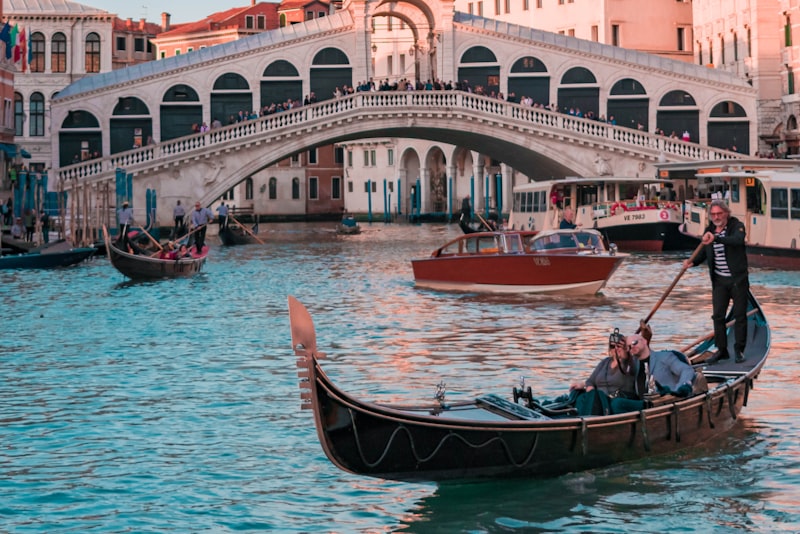
The mechanics are simple once you see them. A restaurant directly facing a famous monument doesn't need to be good. It has a guaranteed flood of customers who are hungry, footsore, and unlikely to ever return, which means there's no reason to compete on quality or price. The location does all the selling. Everything you're really paying for is the convenience of not walking another two minutes, and that convenience is marked up steeply. The food, the souvenirs, the service — none of it has to earn your money, because the spot already did.
This is the key insight that makes tourist traps avoidable: they sell location, not value. The moment you accept that the best meals, the fairest prices, and the most interesting shops are almost never the ones with the easiest access to a major sight, you've already done most of the work. You stop expecting the convenient option to be the good one, and you start treating proximity to a famous attraction as a mild warning sign rather than a recommendation.
The price of a meal next to a landmark mostly pays for the landmark. Walk five minutes in any direction and you usually pay for the meal instead.
None of this means landmarks aren't worth visiting — they are, which is why they're famous. The trap isn't the sight itself; it's the ring of businesses that surround it living off the overflow. You can stand in front of the great monument, be moved by it, and then deliberately not eat, shop, or drink in its immediate shadow. The attraction and the trap are two different things, and separating them in your mind is half the battle.
Learn to spot the signs#
Once you're looking, tourist traps announce themselves. They cluster in the most obvious, most trafficked spots — right at the famous square, along the street every tour group walks, at the exit of the big attraction where you're funneled out hungry. They tend to share a recognizable look and feel, and a handful of signals reliably give them away:
- Staff or touts standing outside actively waving you in, since good places rarely need to chase customers
- Menus in many languages with glossy photos of every dish, aimed at people who'll never come back
- A prime location facing a major sight, where the rent is paid by foot traffic, not quality
- A room full of only visitors and no locals, which tells you the people who live here eat elsewhere
- Pressure to decide fast, order more, or commit before you've had a moment to think
That last point deserves attention, because urgency is the common thread in genuinely bad experiences. A tout who won't let you read the menu in peace, a shop that insists a "special price" expires in the next minute, a driver who needs you to agree right now — pressure exists to stop you from comparing, thinking, or walking away. Real value can wait for you to consider it. The harder something is pushed, the more skeptical you should be, and the more it pays to simply keep walking.
Walk away from the crowd#
The single most effective move against tourist traps is almost comically simple: walk. The price, quality, and authenticity of nearly everything improves with distance from the main attraction, and the distance required is usually small. Two or three streets back from the famous square, the same meal often costs noticeably less and tastes considerably better, served to a room that includes people who actually live there. The crowds thin, the photo menus disappear, and the businesses start having to earn their custom again.
This works because locals have already done the sorting for you. The places they frequent survive on repeat business from people who know the difference, which forces them to be good and fairly priced. So the best research method on the ground is to find where ordinary residents go and follow them. Ask the person at your accommodation where they eat — not where they'd send a tourist, but where they actually go on a normal evening. Notice which cafes are full of people who clearly aren't on holiday. Wander into the neighborhoods that aren't on the main circuit. The good stuff lives where life is happening, not where the coaches park.
It also helps to do a little homework before you arrive, so you're not making every decision while hungry and surrounded by touts. Reading honestly about a place — what's genuinely worth seeing, which areas are overpriced, where locals are pointed — gives you a rough map of where to spend and where to keep walking. Just weigh any recommendation carefully, because a spot that gets famous for being a hidden gem stops being either, and the line between "popular and excellent" and "popular and coasting" is worth keeping in mind. The aim isn't to avoid everything crowded; some crowded things are crowded because they're great. The aim is to tell the difference.
Keep your perspective and your money#
Avoiding tourist traps is ultimately a budget skill, because it's about getting fair value for what you spend rather than paying a premium for convenience you didn't need. Every overpriced meal eaten out of tiredness, every souvenir bought on impulse at a marked-up stall, every taxi taken because you didn't know the bus existed — these are the small leaks that drain a travel budget without buying you anything you'll remember. Sidestepping them isn't about being cheap. It's about refusing to waste money on the forgettable so you have more to spend on what's actually good.
There's a balance to strike, though. Don't let trap-avoidance curdle into suspicion that ruins the trip. Walking thirty minutes to save a small amount on lunch when you're exhausted is its own kind of false economy, and treating every friendly local as a hustler will cut you off from the warmth that makes travel worth doing. Most people you meet are simply living their lives, and most businesses are honest. The goal is awareness, not paranoia — to make the easy, deliberate choices that keep you out of the obvious traps while staying open and generous everywhere else.
Avoiding tourist traps comes down to a calm habit of mind: understand that the convenient option near a landmark is rarely the good one, learn the signs that mark a trap, and be willing to walk a few streets toward where locals actually spend their time and money. Do that, and you'll eat better, pay fairer prices, and see a truer version of every place you visit — which is, after all, exactly why you went to see the world in the first place.