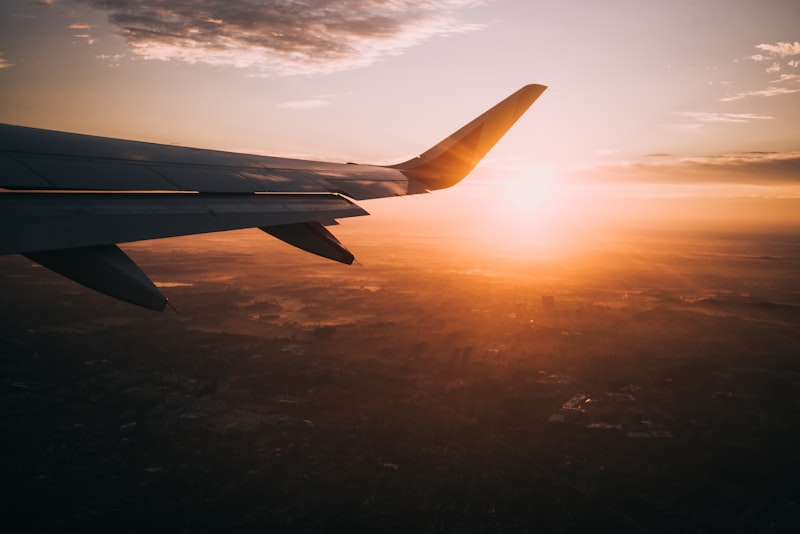
Your first real trip can feel like a lot, and that's completely normal. The good news is that travelling well isn't a talent some people are born with — it's a handful of simple habits anyone can learn. Get a few basics right and the rest of the trip tends to look after itself.
Get your documents sorted early#
Nothing derails a trip faster than a paperwork problem you discover too late. The single most useful thing you can do is handle your documents weeks before departure, when there's still time to fix anything that's wrong. Start with your passport: check that it's valid, and check it's valid for long enough, because many countries require several months of validity beyond your travel dates.
Visa and entry rules are the part beginners most often overlook, and they depend entirely on your nationality and where you're going. Some places want nothing more than a passport; others need a visa arranged in advance, or a quick online travel authorisation, or proof of onward travel. There's no universal rule here, so check the official government and embassy sources for your specific route rather than trusting a forum post or a friend's old experience. Do this early, write down what you find, and you remove the biggest source of last-minute panic.
While you're at it, make copies of everything that matters — passport, tickets, insurance, key bookings. Keep a paper copy somewhere separate from the originals, and save digital copies where you can reach them offline. If a bag goes missing or a phone dies, those copies turn a crisis into an inconvenience.
Pack light, pack smart#
Almost every new traveller packs too much, then spends the trip hauling a heavy bag past people who packed half as much and look twice as relaxed. The fix is to pack for the trip you'll actually have, not the dozen unlikely scenarios you're imagining. You can buy a toothbrush almost anywhere on earth; you cannot easily un-pack a suitcase that's too heavy to lift.
A good starting point is to lay out everything you think you need, then put a third of it back. Choose clothes that mix and match in the same colour family so a few pieces become many outfits. Roll soft items to save space, and keep anything you'd hate to lose — medication, documents, a charger, a change of clothes — in your carry-on rather than checked luggage.
Pack as if you'll be carrying your bag yourself, up stairs, in the heat, for fifteen minutes. That single image will quietly talk you out of half the things you were about to bring.
One genuinely useful splurge is a small day bag that folds flat. It weighs almost nothing in your luggage and becomes your everyday companion once you arrive — carrying water, a layer, snacks, and whatever you pick up along the way.
Handle money like a local would#
Money is where beginners lose the most without noticing. The two quiet drains are bad exchange rates and surprise fees, and both are easy to sidestep with a little preparation. Before you travel, tell your bank and card provider where you're going so a legitimate purchase abroad doesn't get flagged and frozen at the worst moment.
Have more than one way to pay, kept in more than one place. A card that gets lost, blocked, or simply not accepted shouldn't strand you. Carry a modest amount of local cash for small vendors, tips, transport, and the occasional place that doesn't take cards, but don't carry a fortune — you only need enough to be comfortable, not enough to worry about. When you do withdraw cash, use a bank's own machine where you can, and if a machine offers to "helpfully" convert the amount into your home currency, decline; that convenience almost always hides a poor rate.
A few small money habits go a long way:
- Keep a backup card separate from your main wallet
- Note roughly what things should cost so you can spot a wildly high price
- Keep a little emergency cash hidden away and forget it's there until you need it
Stay flexible and look after yourself#
The last skill is the most human one: roll with things. Flights get delayed, weather changes, a museum is closed, you get lost. None of this means the trip is going wrong — it's simply what travel is. The travellers who enjoy themselves most aren't the ones whose plans never break; they're the ones who hold their plans loosely and treat the detours as part of the story. Leave gaps in your itinerary, don't schedule every hour, and you'll have room to enjoy the things you couldn't have planned.
Look after the basics and your body will thank you. Drink more water than you think you need, especially on flights and in the heat. Sleep when you can, eat real meals, and don't try to see everything in one exhausting sprint. A shorter list of things done well beats a long list rushed.
Finally, give a thought to health and safety before you go, calmly rather than fearfully. For anything medical — vaccines, prescriptions, whether you need specific protection for where you're heading — talk to a doctor or a travel clinic well ahead of time; that's their job and they're good at it. Buy travel insurance and actually read what it covers. Keep the local emergency number and your embassy's contact details somewhere you can find them. And if you ever do face a real emergency, contact local emergency services or your embassy straight away rather than trying to handle it alone.
Travelling for the first time is a little like learning to swim. It feels enormous from the edge, and then a few strokes in you realise you can do this, and always could. Get your documents sorted, pack lighter than feels comfortable, mind your money, stay flexible, and look after yourself. The rest is just showing up with open eyes — so go see the world.